
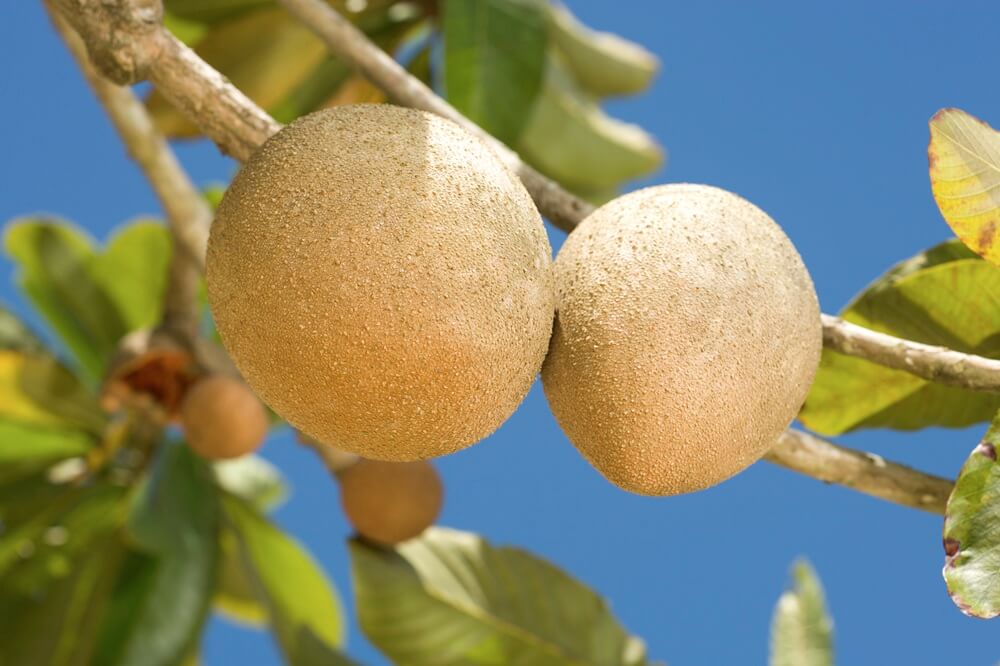
The U.S. Department of Agriculture's Animal and Plant Health Inspection Service (APHIS), working with the Texas Department of Agriculture (TDA), removed sapote fruit fly quarantines in Cameron and Hidalgo Counties, Texas. The action was announced in NAPPO Official Pest Report 1206, posted on August 18, 2026, and took effect immediately.
The removal covered the Harlingen and Rio Hondo quarantine areas in Cameron County and the Alamo quarantine area in Hidalgo County. Together, the changes released 212.64 square miles from quarantine, including 1,138.61 acres of commercial citrus.
The report describes a completed regulatory action following eradication work, not a general statement about fruit-fly conditions outside the named areas. Under IPPC Standards, the official pest status given in the report is: absent and eradicated in the United States.
What preceded the quarantine removal
APHIS originally restricted interstate movement of regulated articles from the affected areas to prevent sapote fruit fly from spreading to non-infested parts of the United States. According to the official report, APHIS and TDA subsequently eradicated the transient sapote fruit fly populations using approved program control methods.
That sequence matters when interpreting the update. Restrictions were imposed in response to transient populations, program control methods were applied, and the responsible agencies then removed the specified quarantines. The source establishes those steps but does not identify individual products, lures, trap configurations, or monitoring schedules used during the program.
The figures in the report define the scale of the regulatory change. A total of 212.64 square miles was released, and the released area included 1,138.61 acres of commercial citrus. These numbers should be understood as the extent of land released from the named quarantines. They are not measures of pest population, treatment coverage, or surveillance intensity.
Pest identity and distribution records
Sapote fruit fly is Anastrepha serpentina, identified by EPPO code ANSTSE. The EPPO Global Database distribution record places the species in the family Tephritidae. Using the exact scientific name is important because broad labels such as “fruit fly” can cover many different pests with different surveillance and regulatory contexts.
EPPO's distribution record, last updated March 23, 2026, listed Texas as “Transient” and the United States as “Present, few occurrences.” Those database entries provide an earlier distribution snapshot. The later NAPPO report documents the August 18 regulatory event and supplies the official pest status following the reported eradication. The records serve different purposes and dates, so the earlier EPPO descriptors should not replace or weaken the later official wording.
This distinction also prevents an overly broad reading of the announcement. The NAPPO report supports the removal of the Harlingen, Rio Hondo, and Alamo quarantine areas and the status statement quoted above. It does not establish claims about every location in the species' wider distribution.
From quarantine outcome to the next surveillance question
A quarantine removal closes one regulatory chapter, but it also creates a useful reference point for future surveillance planning. Programs preparing for another detection need to define the species, target geography, decision threshold, sampling window, and validation criteria before selecting a monitoring approach. For Anastrepha serpentina, the scientific name and EPPO code ANSTSE provide the essential starting identifiers.
ECOPHERO can support that development work through semiochemical literature review and a candidate pheromone or attractant synthesis inquiry. Once a candidate direction has been defined, ECOPHERO can also provide lure formulation and dispenser optimization support and coordinate monitoring-program design and field validation around the program's stated objective.
Species-specific evaluation remains essential. Candidate attractants, formulations, and dispensers need to be assessed against A. serpentina, the intended crop and geography, and the operating requirements of the responsible monitoring program before any conclusion is drawn about field performance.
Defining a practical development path
A productive technical inquiry begins with the surveillance question rather than with a predetermined lure. The team should identify whether the objective is delimitation, early detection, seasonal observation, or support for another official decision. It should also define the expected trap environment, observation period, comparison method, and evidence needed to judge a candidate.
From there, literature review can narrow the semiochemical landscape, synthesis inquiry can establish whether selected candidates are feasible to prepare, and formulation or dispenser work can translate a laboratory candidate into something suitable for structured evaluation. Field-validation coordination then connects the candidate with a protocol, controls, replication, and decision criteria appropriate to the program.
The Texas announcement remains an official account of the completed quarantine action. For teams planning future fruit-fly surveillance, ECOPHERO offers a structured route from a species-specific monitoring question to candidate development and field validation. Contact us with the scientific pest name, target geography, crop context, and monitoring objective to define an appropriate technical scope.
Sources and image credit
- NAPPO Official Pest Report 1206 — “Anastrepha serpentina (Sapote Fruit Fly): APHIS Removes Quarantine Areas in Cameron and Hidalgo Counties, Texas”
- EPPO Global Database — Anastrepha serpentina overview
- EPPO Global Database — Anastrepha serpentina distribution
- Sapote fruit image and public-domain license evidence — U.S. Department of Agriculture, Agricultural Research Service

