
Ghana is continuing surveillance and preparedness work for banana bunchy top disease even though recent testing did not detect the virus in the locations sampled. A CABI PlantwisePlus update published on September 22 describes a prevention programme built around laboratory testing, import safeguards, inspection guidance and community reporting.
The distinction between preparedness and an outbreak is important. CABI reports that scientists collected samples in 2025 from 13 districts in the Eastern, Greater Accra, Oti and Volta regions. Tests were negative for the virus in those surveyed districts and communities. Those results do not amount to proof of nationwide absence, and the programme has continued surveillance as banana bunchy top disease spreads in nearby Benin.
Surveillance is being linked to practical response capacity
The Ghana programme combines technical work with measures intended to improve early recognition and reporting. CABI says the updated prevention and preparedness plan includes tighter guidance for importing banana planting materials and improved inspection protocols. The programme also trained 24 phytosanitary advisors and inspectors to identify the disease.
Awareness work extended beyond specialist teams. Campaigns were conducted in four districts of the Volta Region and reached more than 1,500 farmers in 28 high-risk communities. Farmers were given information on recognizing suspected cases and on reporting them to extension agents for follow-up. This creates a route from a field observation to professional inspection and, where appropriate, diagnostic testing.
That reporting chain matters because visible symptoms are not a substitute for diagnosis. It also helps keep the latest evidence in perspective: negative samples from defined locations are useful surveillance results, while an unverified symptom report remains a trigger for investigation rather than confirmation of the disease.
The banana aphid is part of the surveillance picture
Banana bunchy top disease is associated with both infected planting material and an insect vector. In a February 2026 background article, CABI identifies the vector as the banana aphid, Pentalonia nigronervosa. EPPO lists the same species under code PENLNI and gives “banana aphid” as its English common name.
Vector awareness does not replace plant inspection, movement controls or virus diagnostics. It adds another layer to preparedness. Field teams may need to distinguish the presence of banana aphids from evidence of the virus itself, record where aphids are found, and relate those observations to host plants, planting-material movements and laboratory results. Keeping those records separate prevents an aphid observation from being misreported as a disease detection.
It also makes monitoring objectives clearer. A programme may be designed to document aphid distribution, compare activity between locations, investigate changes over time or evaluate a candidate monitoring tool. Each objective requires a defined sampling method and period. Results from one district or crop setting should not be generalized without field evidence.
A capability-led route for species-specific monitoring research
The current ECOPHERO catalog does not list a product for P. nigronervosa, so no existing lure or CAS-matched product is being proposed for Ghana's programme. A responsible development route would begin with a semiochemical literature review and, if the evidence supports further work, a candidate pheromone or attractant synthesis inquiry.
Any candidate would require analytical verification before lure formulation and dispenser optimization support could be considered. Monitoring-program design and field-validation coordination would then be needed to test the candidate against appropriate controls under relevant banana-growing conditions. Such work could evaluate whether a candidate contributes useful vector information; it would not diagnose banana bunchy top virus or establish disease presence.
Ghana's preparedness work shows why that boundary matters. The immediate achievement is a stronger surveillance network: samples have been tested, advisors and inspectors have been trained, farmers have a reporting route, and prevention plans are being updated. Vector-monitoring research may complement those measures, but only species-specific evidence and field validation could establish whether a proposed tool adds value.
Sources and image credit
- CABI PlantwisePlus - “Banana bunchy top disease prevention in Ghana” (22 September 2026)
- CABI PlantwisePlus - “Banana bunchy top disease: PlantwisePlus helps to safeguard Ghana's banana production” (25 February 2026)
- EPPO Global Database - Pentalonia nigronervosa (PENLNI) overview
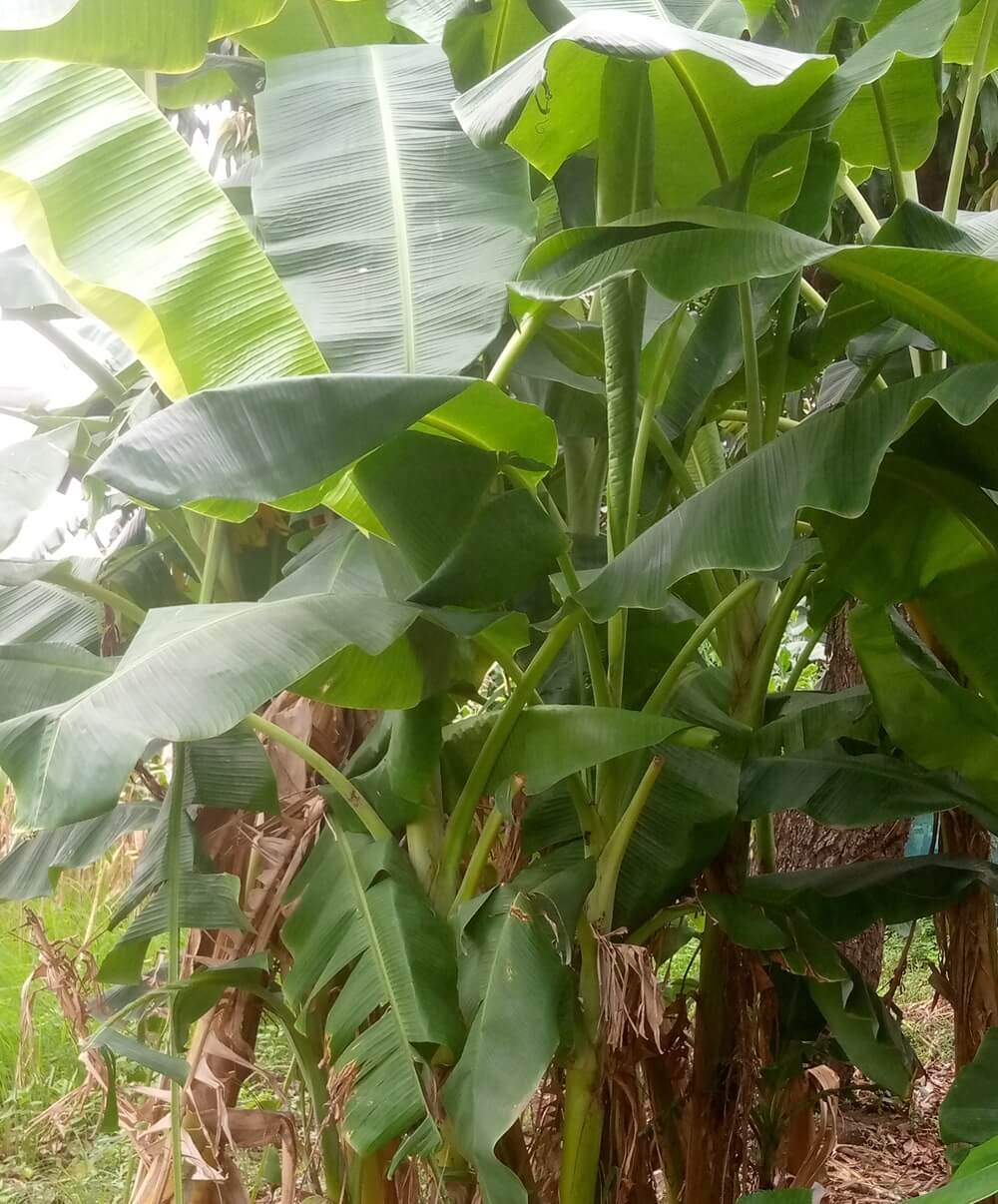
- Illustrative Ghana banana-plant photograph and CC0 license - Abdul Fatawu352. The image is not a disease detection site.

