
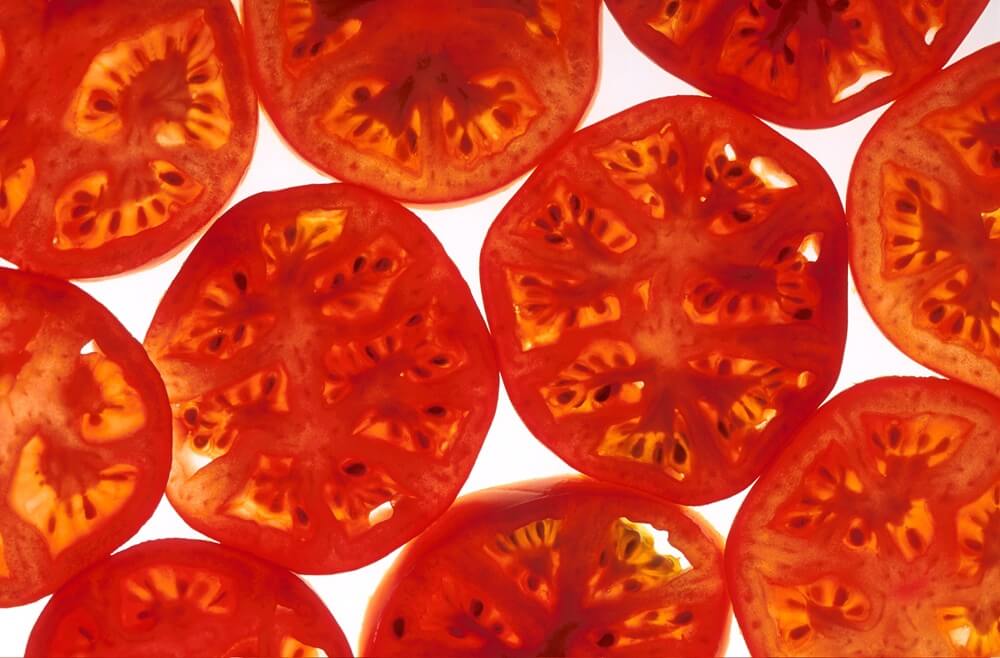
The U.S. Department of Agriculture's Animal and Plant Health Inspection Service (APHIS) issued Federal Order DA-2026-31 on August 25, 2026. The order reissues conditions for interstate movement of regulated fresh tomato fruit from Mediterranean fruit fly quarantine areas nationwide.
The target pest is Mediterranean fruit fly, or Medfly, Ceratitis capitata. APHIS applies the order to a defined movement pathway: regulated fresh tomatoes moving interstate from U.S. areas quarantined for this pest. It is not a new statement about every tomato shipment or every location where Medfly may occur.
What changed in DA-2026-31
APHIS says the systems-approach conditions themselves are not changing. The agency previously included the tomato provisions in Federal Order DA-2016-05, which also covered fresh citrus fruit moving from a Mexican fruit fly (Anastrepha ludens) quarantine in Texas. Those citrus provisions were later revised in Federal Order DA-2025-38.
DA-2026-31 separates the Medfly tomato pathway from those revised Mexican fruit fly citrus provisions and updates the language and format of the tomato order. For interstate tomato movement from a Medfly quarantine area, the new order supersedes the corresponding requirements in DA-2016-05. APHIS also states that the reissue does not change the requirements necessary to export tomato fruit.
That distinction is operationally important. Reissuing an order can look like a change in treatment or monitoring requirements, but APHIS explicitly describes this action as a reorganization and update rather than a change to the systems-approach conditions. Businesses handling regulated tomatoes should use DA-2026-31 and current APHIS instructions as the controlling references for the interstate pathway.
Regulatory scope and tomato host context
APHIS regulates interstate movement of Medfly host articles from all U.S. areas quarantined for Medfly under 7 CFR 301.32 through 301.32-10 and the applicable provisions of the federal order. DA-2026-31 addresses regulated fresh tomato fruit within that framework.
Tomato is also biologically relevant to the pest. The EPPO Global Database datasheet for Ceratitis capitata lists tomato, Solanum lycopersicum, among the species' host plants. This host record explains why tomatoes can fall within Medfly phytosanitary controls, while APHIS remains the authority for the actual interstate movement requirements.
The order is nationwide in scope for Medfly quarantine areas, but it does not report a new outbreak, a particular shipment, or a change in the geographic distribution of the pest. Its purpose is to restate the conditions governing a regulated commodity pathway. Current quarantine boundaries and operational instructions should therefore be checked through APHIS before moving host material.
Monitoring context for Ceratitis capitata
The EPPO datasheet describes established detection options for Medfly. It states that males are attracted to trimedlure and enhanced ginger oil lure, while protein-baited traps can monitor both sexes. These methods provide useful background for surveillance planning, but DA-2026-31 does not identify a specific lure, trap, or monitoring product as part of the reissued systems approach.
A Medfly monitoring plan still needs a defined objective. Detection, delimitation, and routine surveillance can require different trap placement, observation periods, and evaluation criteria. Geography and target sex also affect method selection. Those technical decisions should be documented separately from compliance with the federal tomato-movement order.
ECOPHERO catalog connection
ECOPHERO's catalog directly associates tert-butyl 4-chloro-2-methylcyclohexane-1-carboxylate, CAS 12002-53-8, with Ceratitis capitata. The exact scientific-name match provides a clear starting point for a pest-specific product inquiry.
The catalog entry does not establish that APHIS uses the item, that it forms part of DA-2026-31, or that it is registered or validated for a particular field program. Regulatory compliance and monitoring performance require their own current documentation. To avoid ambiguity, an inquiry should identify the target as C. capitata, specify the intended geography and monitoring objective, and reference the catalog item by both its chemical name and CAS number.
For tomato supply chains operating near Medfly quarantine areas, DA-2026-31 is the current federal reference for the interstate pathway described by APHIS. Monitoring discussions can proceed in parallel, but they should remain anchored to the target species, the program objective, and evidence from the intended operating conditions.
Sources and image credit
- USDA APHIS — “APHIS Reissues Systems Approach for the Interstate Movement of Tomatoes from a Mediterranean Fruit Fly Quarantined Area”
- EPPO Global Database — Ceratitis capitata (CERTCA) overview
- EPPO Global Database — Ceratitis capitata (CERTCA) datasheet
- Tomato image and public-domain evidence — U.S. Department of Agriculture, Agricultural Research Service

