
Fruit shipments entering Tasmania are the focus of new measures reported by HortiDaily on 2 November 2026. The report says Biosecurity Tasmania introduced requirements for primary-host fruit of Intonsa flower thrips, Frankliniella intonsa, taking effect on that date. For importers and suppliers, the immediate issue is the conditions applying to consignments of the named fruits entering the state.
The report also says the pest had not been detected in Tasmania. That statement is central to understanding the announcement: the reported measures concern fruit imports, while the Australian detections described in the coverage were in Queensland. Readers should retain that geographic distinction when discussing the announcement with suppliers, customers or monitoring teams.
Which fruit shipments are covered?
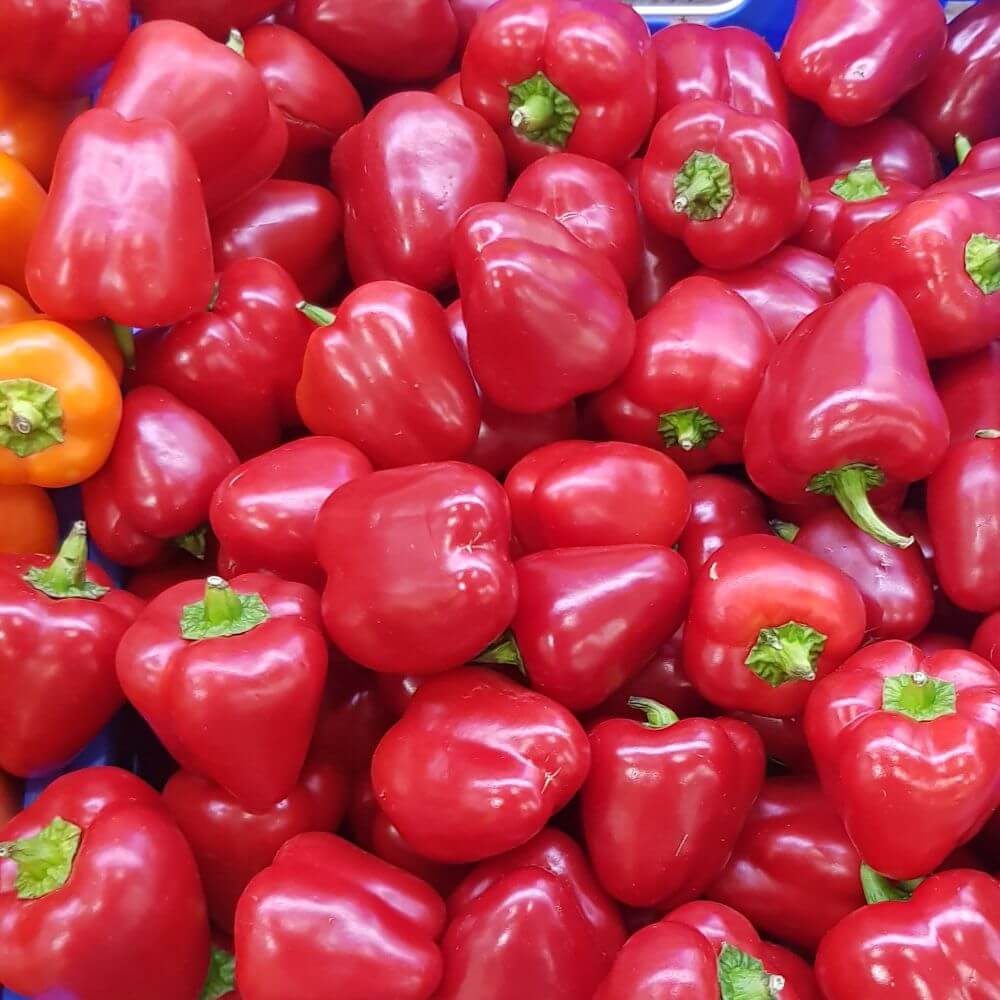
HortiDaily identifies six fruits in the reported Group Permit scope: capsicum, strawberry, peach, raspberry, blackberry and tomato. According to its account, each consignment of these fruits entering Tasmania must meet the permit conditions from 2 November. The report says Biosecurity Tasmania will undertake targeted compliance and monitoring activities to check that the requirements are being met.
This is a report of the announced scope and effective date. Importers should consult the applicable Group Permit for the conditions governing their shipments. The news coverage does not provide a complete operational checklist, and the list of six fruits should not be expanded into requirements for other commodities on the basis of this announcement alone. Questions about a particular consignment belong with the relevant permit requirements and responsible authority.
Why host-material movement matters
The same HortiDaily report identifies movement of infested host material as the pest's main route of spread. This connects the import announcement to the material being shipped: fruit consignments are the subject of the reported requirements, and movement of host material is the pathway highlighted in the coverage. It also explains why the report's distinction between Queensland detections and Tasmania's no-detection statement matters to readers assessing the event.
For species identification, the EPPO Global Database records Frankliniella intonsa under code FRANIT, in the family Thripidae and order Thysanoptera. That reference supplies a consistent scientific identity for the pest discussed in the announcement. The EPPO overview serves as taxonomic background; the dated HortiDaily report supplies the information about Tasmania's import measures. Keeping those roles clear helps readers distinguish species information from a particular regulatory announcement.
A species-specific question for semiochemical research
For organizations exploring semiochemical monitoring research, the relevant question is what support can be developed for F. intonsa. ECOPHERO's catalog has no exact-species listing for this pest. Listings for Frankliniella occidentalis, another species in the genus, do not establish a suitable product for F. intonsa. A shared genus therefore provides no basis here for recommending a catalog lure against the species named in the Tasmania report.
ECOPHERO can support semiochemical literature review and candidate pheromone or attractant synthesis inquiry for a species-specific research discussion. Its available support also includes analytical verification, lure formulation and dispenser optimization support, and monitoring-program design and field-validation coordination. These are capabilities for investigating and developing an approach. They do not establish that a lure is already effective for this pest or that it satisfies Tasmania's import conditions.
A useful inquiry can begin with the scientific name and the monitoring challenge the organization wants to investigate. The discussion can then stay focused on the supplied research and development capabilities, with any proposed approach remaining subject to field validation. Contact ECOPHERO with the pest name and your monitoring challenge to discuss this support.
For fruit businesses, the immediate reference point remains the reported import requirements and the applicable permit. For research teams, the separate opportunity is a species-specific investigation. Both discussions benefit from preserving the announcement's date, the named fruit scope and the reported absence of a Tasmania detection.
