
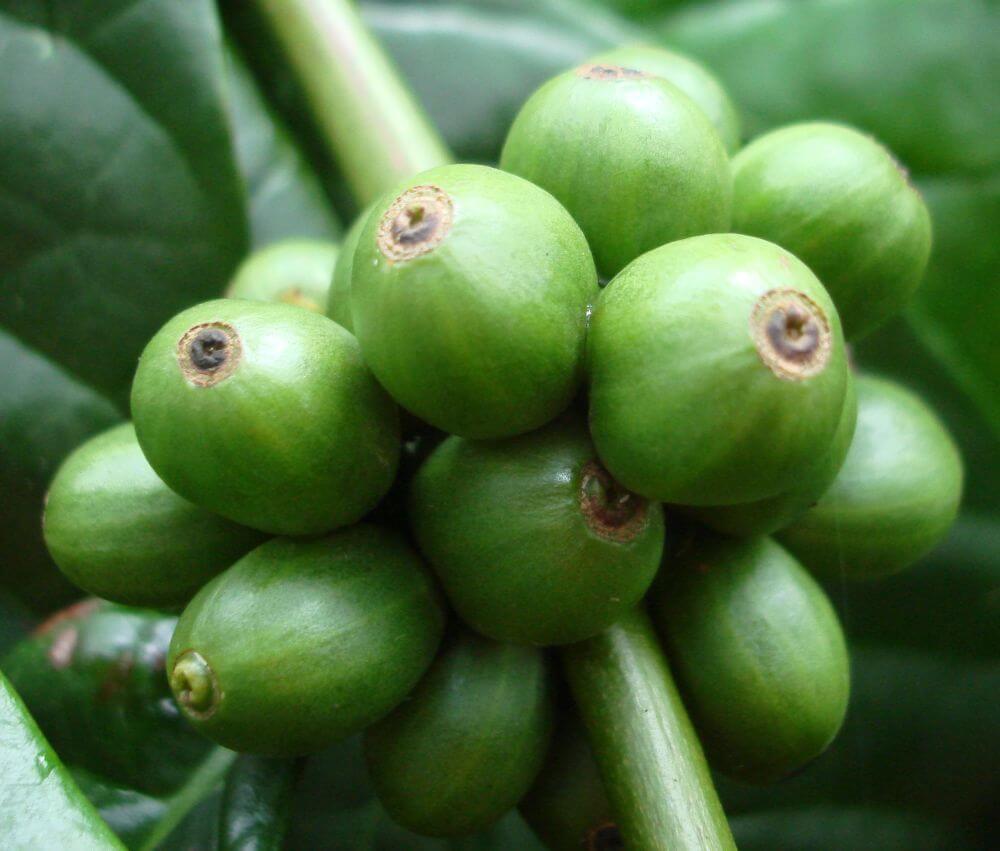
A coffee grower in Brazil's Juruá Valley has begun checking homemade ethanol-based traps for coffee berry borer, putting a recent training session into practice on his own farm. In a November 24, 2026 report, Embrapa Acre described the use of PET-bottle traps alongside direct examination of coffee berries. The focus is detecting and following the pest, rather than demonstrating that traps alone can control it.
The insect is Hypothenemus hampei, the coffee berry borer. The NSW Department of Primary Industries describes it as a small beetle that lives, feeds and breeds inside coffee berries, and lists robusta coffee (Coffea canephora) among its hosts. That biology makes the fruit itself an important part of inspection. Trap catches and observations of berries provide different kinds of information about activity in a planting.
A practical step after the November training
Embrapa Acre, Sebrae in Acre and the Juruá Valley coffee growers' cooperative, Coopercafé, held training in Mâncio Lima on November 14. Participants combined classroom work with practical activities at Fazenda Vô Raimundo, where they learned to recognize crop pests and make traps from PET bottles. The subsequent farm account gives the report a concrete monitoring example beyond the training event itself.
Grower Francisco Romualdo Marques installed the devices in his four-hectare coffee planting during the following week. He told Embrapa that he had made three traps, was checking them daily and had already caught some insects of the target species. He also reported using a crop-protection product. His observations therefore describe monitoring within an existing management program, not an untreated trial or an isolated test of trapping.
The exact installation day is not given. November 24 is the publication date of Embrapa's account; it should not be mistaken for the start of trapping. Similarly, the farmer's daily checks describe what he was doing on that farm. They are not a recommended inspection interval established by a comparative study.
Reading trap catches alongside berry observations
Embrapa presents ethanol-based PET-bottle traps as a relatively accessible way to detect coffee berry borer activity and support decisions. Its researcher also discusses manual sampling of berries. Together, these approaches put attention on both the insects entering traps and the condition of fruit in the crop.
A catch confirms activity at the trap, but this farm report does not establish a numerical relationship between catches and damage. It provides no validated action threshold, yield comparison or estimate of infestation reduction attributable to the traps. The farmer's concurrent crop-protection measures are another reason not to treat the account as proof of stand-alone trapping efficacy.
For a monitoring team, the practical value of the story is the connection between making a simple device, checking it repeatedly and considering observations in a broader management decision. The published account does not supply a complete operating specification. A local program would still need an agreed sampling approach and a basis for deciding what its observations mean before applying them to control decisions.
Keeping the lure question species-specific
The report describes ethanol-based traps, not a species-specific sex pheromone. Those terms should not be treated as interchangeable when discussing monitoring materials. Nor does the use of a familiar attractant establish a particular commercial formulation, dispenser or field protocol.
ECOPHERO has no approved catalog listing for Hypothenemus hampei in the catalog reviewed for this article. An inquiry about this pest would therefore begin with semiochemical literature review and monitoring-program design and field-validation coordination, rather than selection of a catalog-listed lure. The scope would be to review relevant evidence and define questions for evaluation, not to promise a ready-made control outcome.
The Juruá example shows a grower taking an initial monitoring tool back to his farm and following its catches. Its next value lies in the observations collected over time and how they inform the wider program. Embrapa's account supports that measured interpretation: a practical monitoring activity is underway, while the performance of any particular trapping system remains a separate question.
