Actualités
Ecophero

Actualités

Dernières actualités d'Ecophero, lancements de produits et analyses sur les phéromones d'insectes et la lutte intégrée (IPM).

Mediterranean fruit fly quarantine expands in California
Actualités

Mediterranean fruit fly quarantine expands in California

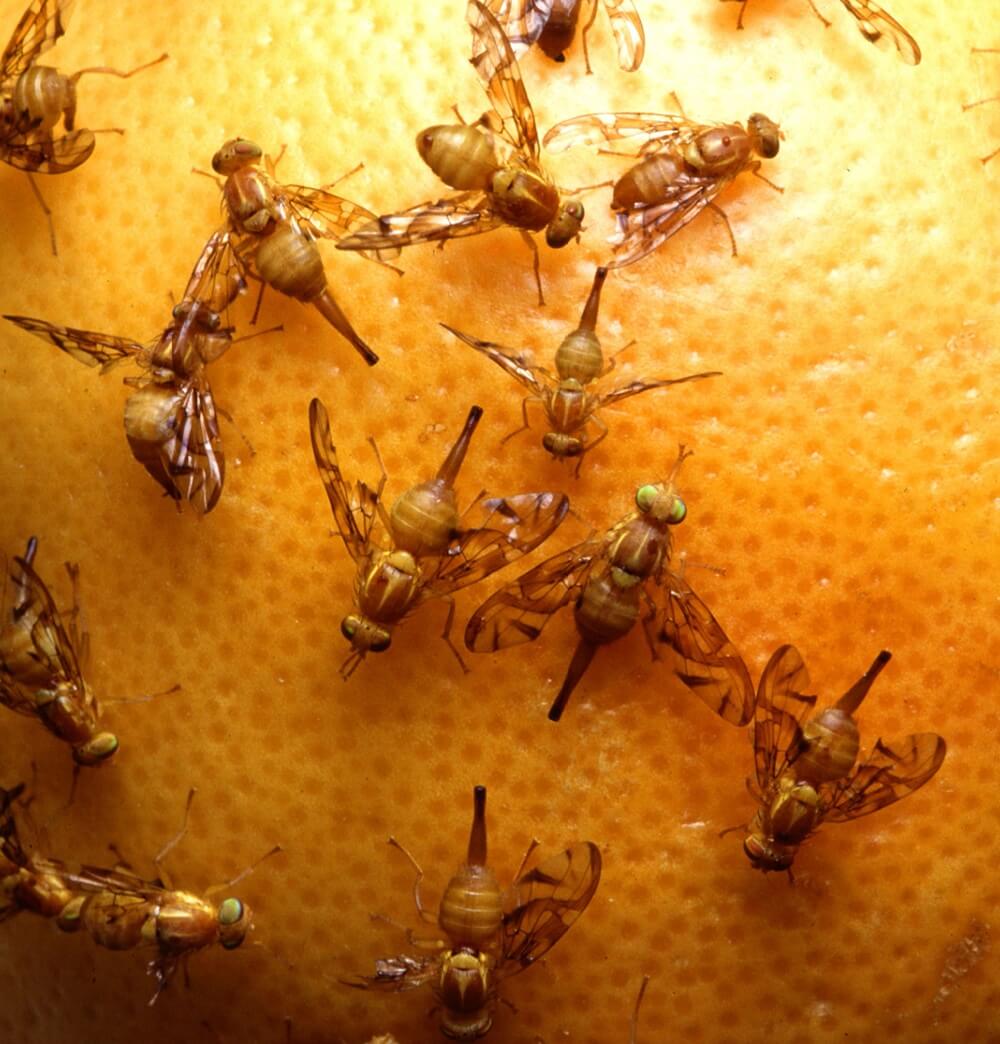
On January 5, 2026, USDA APHIS expanded the Santa Clara Mediterranean fruit fly (Ceratitis capitata) quarantine in Alameda and Santa Clara Counties, California. The NAPPO Official Pest Report #1184#1184 says the action followed the confirmed detection of one wild male Medfly from a trap on a residential orange tree in Milpitas, Santa Clara County. The report was posted on January 23, 2026.

plus
Torres Strait exotic fruit fly program highlights male-lure surveillance
Actualités

Torres Strait exotic fruit fly program highlights male-lure surveillance

On March 6, 2026, Outbreak.gov.au, the Australian Government outbreak source, posted "National Exotic Fruit Fly in Torres Strait Eradication Program | Outbreak" for Torres Strait, Queensland, Australia. The official page describes fruit flies as the world's most destructive fruit pests and notes that many fruit fly species do not exist in Australia.

plus
Oriental fruit fly quarantine lifted in California
Actualités

Oriental fruit fly quarantine lifted in California

On March 23, 2026, USDA APHIS and the California Department of Food and Agriculture removed the Oriental fruit fly (Bactrocera dorsalis) quarantine in Riverside and San Bernardino Counties, California. The NAPPO Official Pest Report identifies the area as the Jurupa Valley quarantine and reports that the action released 131 square miles from quarantine, including 10 acres of commercial grape production. Release occurred after three generations had elapsed since the date of the last OFF detection, based on a degree-day model.

plus
Fall armyworm: monitoring as the first line
Actualités

Fall armyworm: monitoring as the first line

Fall armyworm (*Spodoptera frugiperda*) is listed in the [EPPO Global Database](https://gd.eppo.int/taxon/LAPHFR) under EPPO Code LAPHFR. EPPO's distribution record shows global presence across Africa, the Americas, Asia, Europe, and Oceania, with the distribution page last updated on 2026-04-16. For growers, crop advisors, and plant-health teams working across different production regions, timely surveillance is essential. Knowing when and where adult moths are active supports earlier field decisions before larval pressure builds. Pheromone-based monitoring is a practical first step.

plus
Emerald ash borer detected in Hungary: why monitoring now matters
Actualités

Emerald ash borer detected in Hungary: why monitoring now matters

In June 2026, the NPPO of Hungary reported the first detection of emerald ash borer (*Agrilus planipennis*) in Hungary — and the first confirmed record of this pest anywhere in the European Union. According to [EPPO Reporting Service 2026/137](https://gd.eppo.int/reporting/article-8433), one specimen was caught in a pheromone trap operated by the Sopron University – Forest Research Institute (ERTI) in Beregsurány, in the Észak-Alföld region of eastern Hungary, on 2026-06-09. The identification was confirmed through a molecular, PCR-based test by the National Reference Laboratory. Following the detection, Hungarian authorities established a demarcated area with intensified surveillance around the finding site.

plus
Spongy moth quarantine expands in Wisconsin
Actualités

Spongy moth quarantine expands in Wisconsin

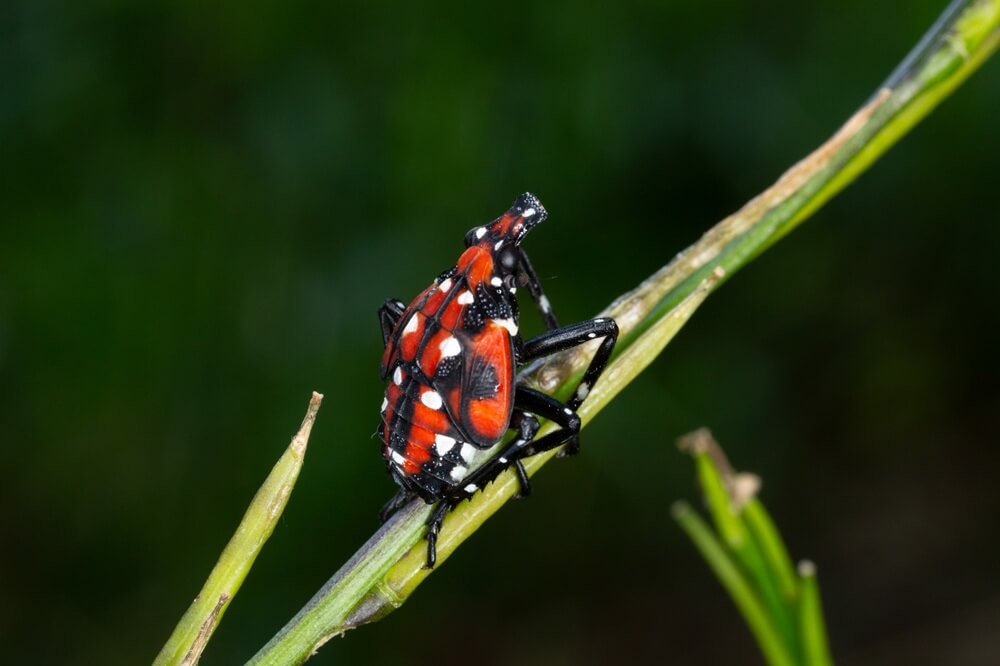
On May 1, 2026, USDA APHIS and the state of Wisconsin expanded the quarantined area for spongy moth, *Lymantria dispar*, by adding Green and Sawyer Counties in Wisconsin. The official notice was published as [NAPPO Official Pest Report 1197](https://www.pestalerts.org/nappo/official-pest-reports/1197/). The reason for the expansion was direct: moth populations in Green and Sawyer Counties reached the threshold to trigger quarantine expansion. The action was effective immediately.

plus
Japanese pine sawyer flight season puts vector monitoring back in focus
Actualités

Japanese pine sawyer flight season puts vector monitoring back in focus

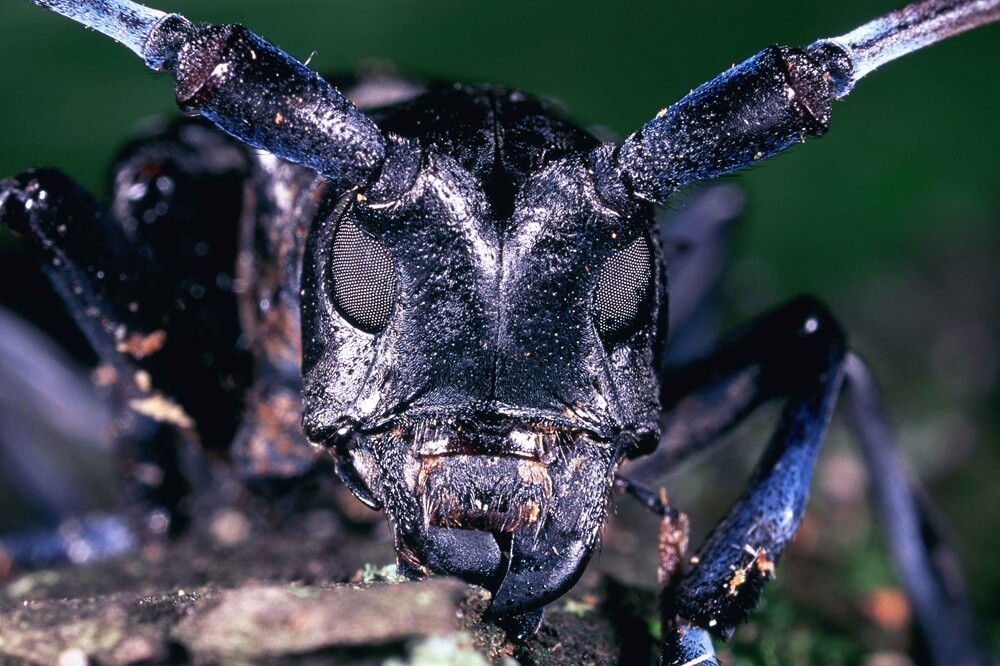
During the May-July pine sawyer flight season, Japanese pine sawyer beetles (*Monochamus alternatus*) return to the center of pine wilt disease monitoring. The [EPPO Global Database entry for *Monochamus alternatus*](https://gd.eppo.int/taxon/MONCAL) identifies the pest as MONCAL / Japanese pine sawyer and includes sections for distribution, host plants, and vector status. The reason this seasonal window matters is direct: Japanese pine sawyer beetles and other *Monochamus* spp. are primary vectors of pine wood nematode (*Bursaphelenchus xylophilus*), the causal agent associated with pine wilt disease. For monitoring programs, the priority is early detection during peak flight, before vector activity is missed.

plus
July Thrips and Aphid Pressure in Protected Cropping
Actualités

July Thrips and Aphid Pressure in Protected Cropping

July can be a high-pressure month for greenhouse and protected-crop pest management. Western flower thrips (*Frankliniella occidentalis*) can damage crops directly through feeding and oviposition, and it is also associated with serious plant-virus risk. Aphid complexes, including green peach aphid (*Myzus persicae*), add a second monitoring challenge because aphids can build quickly in warm protected systems and contribute to virus-vector pressure. This seasonal brief is not a single outbreak alert. It is a calendar-driven IPM prompt: when greenhouse conditions favor rapid pest population growth, monitoring and behavior-based tools should be active before pressure becomes difficult to manage.

plus
Stink Bug Build-Up: Aggregation Lures for Early Warning
Actualités

Stink Bug Build-Up: Aggregation Lures for Early Warning

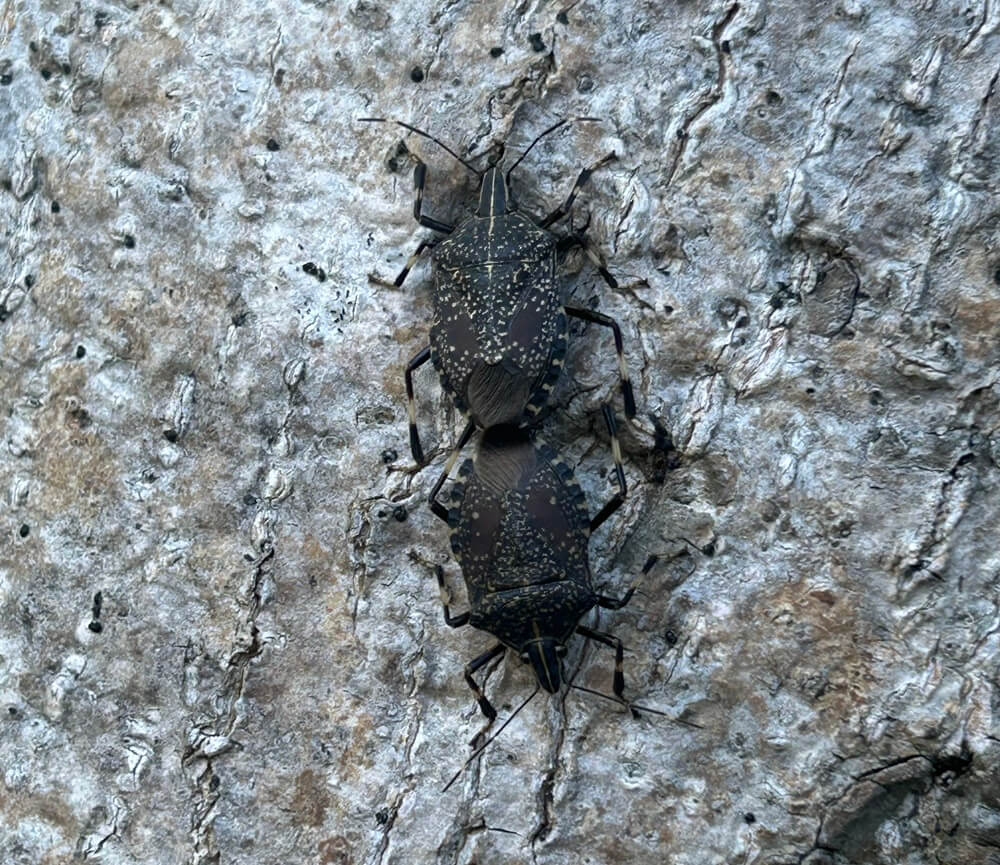
July is a practical monitoring window for stink-bug programs in the Northern Hemisphere. Brown marmorated stink bug (*Halyomorpha halys*) is an invasive plant-health pest associated with fruit, vegetable, field, and ornamental hosts, and seasonal movement into crops can make early field signals more valuable than reactive scouting after damage appears. This seasonal brief focuses on brown marmorated stink bug and southern green stink bug (*Nezara viridula*) programs where aggregation pheromone traps are used for detection, population tracking, and mass-trapping support. The goal is not an eradication claim. The goal is to help growers and IPM teams know when pressure is building, where activity is concentrated, and whether local control decisions should intensify.

plus

Contactez-nous

Partagez vos coordonnées pour recevoir des solutions à phéromones adaptées avec précision. Si notre portefeuille existant ne propose pas la solution optimale, notre équipe de chimie de synthèse lancera un développement sur mesure – de la conception de la structure moléculaire à la production à grande échelle.