
Shrewsbury, Massachusetts, reached a new milestone in the Asian longhorned beetle response on October 1, 2026. In notice DA-2026-41, the U.S. Department of Agriculture’s Animal and Plant Health Inspection Service (APHIS) removed the entire town from the quarantined area for Anoplophora glabripennis. The change covered 21.8 square miles in Worcester County and followed completion of the eradication program’s final survey of host trees.
The announcement gives readers two essential details: the geographic extent of the change and the survey milestone behind it. All of Shrewsbury was included in the removal. APHIS tied its determination to the completed host-tree survey, making that survey the central evidence described in the notice. For anyone following the local response, the town boundary and the October 1 notice date are the clearest reference points for understanding this development.
Why the survey milestone matters
APHIS explains on its Asian longhorned beetle program page that a final negative survey is part of the basis for declaring eradication. That background helps explain the significance of the Shrewsbury announcement: the final survey is a decision milestone in the official response, rather than simply another update on program activity.
The distinction is useful when reading pest-response news. A report that a survey has taken place and an official determination removing an area from quarantine communicate different things. In this case, APHIS reported both the completion of the final host-tree survey and its decision to remove Shrewsbury. The agency’s program explanation provides context for why a negative survey matters, while the dated notice identifies the specific town and area affected by the decision.
Nearby quarantine areas remain
The same October 1 notice said that nearby areas remained under quarantine: the northern portion of Auburn, Boylston, West Boylston, and Worcester. Shrewsbury’s removal therefore needs to be read alongside the continuing quarantine in those locations. The announcement describes a change for one town within Worcester County; it does not extend the removal to every nearby community.
For readers comparing local updates, naming those places preserves the scope of the announcement. A headline about Shrewsbury can accurately describe progress while still leaving room for the continuing response nearby. The official notice is the relevant source for the October 1 change, and the APHIS program page supplies the broader explanation of final negative surveys. Reading them together keeps the local decision connected to its stated basis.
ECOPHERO’s catalog connection
ECOPHERO’s catalog lists 4-(heptyloxy)butanal, CAS 65885-35-0, with Anoplophora glabripennis as its target pest and forestry as its scenario. This exact species listing provides a catalog connection for readers considering the chemical identity associated with their ALB work. The product name and CAS number identify the listed material; they do not establish how a particular field program deployed it.
For a product inquiry, those identifiers offer a precise starting point. A discussion of the catalog material should keep the chemical identity separate from decisions about a monitoring protocol, lure format, or field application. The Shrewsbury announcement attributes the quarantine decision to the completed host-tree survey. It provides no basis for attributing that outcome to this catalog ingredient or for treating the ingredient as a replacement for the survey.
Keeping monitoring questions tied to the decision
The practical lesson from this announcement is to distinguish a monitoring question from the evidence used for an official quarantine decision. Shrewsbury’s milestone concerns a completed survey and a defined geographic change. A chemical inquiry concerns the identity and intended role of a material. Keeping those questions explicit helps readers discuss the product without overstating what the APHIS announcement demonstrates.
Contact ECOPHERO with the pest name, CAS 65885-35-0, and the monitoring challenge you want to discuss. For the Shrewsbury decision and the nearby areas still under quarantine as of the notice, refer to the APHIS sources below.
Sources
- APHIS: October 1, 2026 Shrewsbury quarantine-removal notice.
- APHIS: Asian Longhorned Beetle program and final negative survey context.
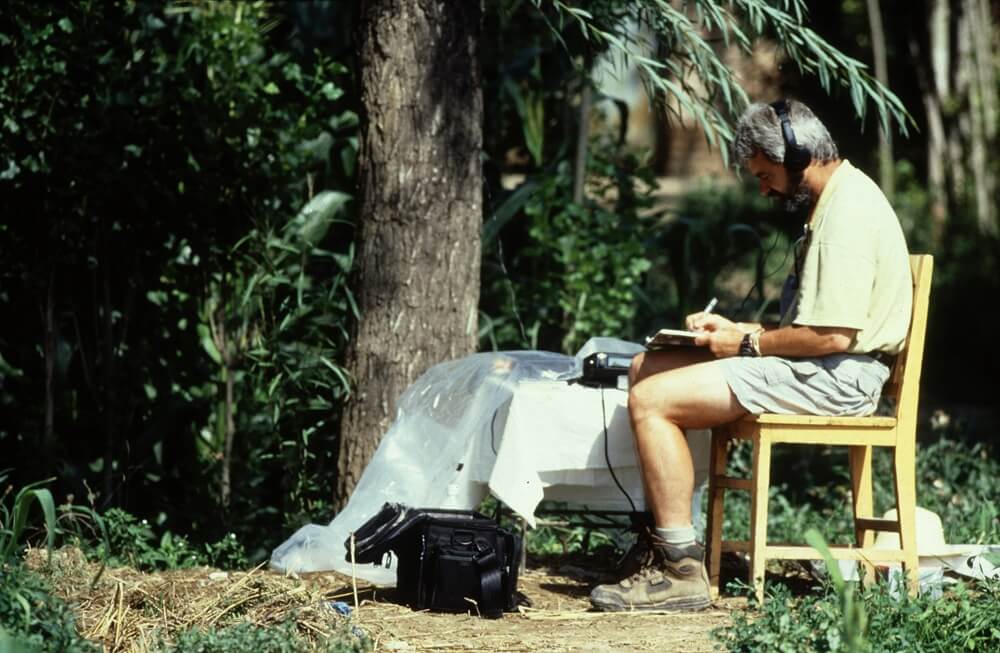
- Cover photograph, USDA ARS source page. Credit: Michael T. Smith, USDA Agricultural Research Service. Public domain; license. Historical research in Gansu, China, rather than the Shrewsbury survey. Use of the photograph does not imply USDA ARS endorsement of ECOPHERO or its product.

