
A two-season study in Minas Gerais, Brazil, puts regular field observation at the center of the sorghum aphid story. In a report published on October 6, 2026, Embrapa describes research in forage-sorghum fields that compared insecticide-treated and untreated conditions and sampled insect populations weekly. The report discusses predation by insects in the family Syrphidae and emphasizes monitoring as part of managing Melanaphis sorghi.
The research offers a useful starting point for thinking about what a monitoring program should examine. Its focus brings the pest and its natural enemies into the same discussion, rather than treating an aphid observation as an isolated finding. The October publication date identifies when Embrapa shared the report; the growing-season dates are not specified. Readers should therefore understand it as a report on research across two seasons, rather than a newly dated outbreak announcement.
Why species identity matters
The scientific name is especially important when looking for supporting information. EPPO's Global Database notes that morphometric and molecular studies distinguish Melanaphis sacchari from M. sorghi. Its linked entry concerns M. sacchari. That distinction matters when comparing research, searching for monitoring approaches, or deciding whether information about a related aphid is relevant to the sorghum pest discussed by Embrapa.
A shared genus name does not make two species interchangeable. For this story, the appropriate research question concerns M. sorghi, with the Minas Gerais forage-sorghum study providing the event context. Keeping that identity visible helps readers separate the report's subject from adjacent literature. The EPPO entry supports the species distinction; it should be read in that role when following the sources below.
A research question for semiochemical monitoring
The Embrapa report centers on insect observations and predator activity. It does not establish a pheromone or attractant solution for this aphid. A semiochemical literature review would address a separate question: what research, if any, could inform a monitoring approach for the identified species? That question needs its own assessment before it can become a proposal for field work.
This separation is useful for teams exploring monitoring options. Evidence of Syrphidae predation provides context for the ecological research, while evidence for a semiochemical approach would need to address that approach directly. Neither a predator observation nor a product associated with another pest establishes that a lure will work for M. sorghi. A review can frame the question without treating an answer as already available.
What the field comparison contributes
Weekly insect sampling is a concrete feature of the reported study. Together with the comparison of treated and untreated fields, it shows how the researchers examined insect populations across the study conditions. For readers considering future work, the value lies in that observational framework and in the report's emphasis on monitoring alongside natural-enemy activity.
The study should not be converted into a universal insecticide recommendation or a fixed sampling prescription. Its two-season design describes the work reported in Minas Gerais. A separate monitoring program would still need a defined research question and field validation appropriate to its intended setting. The distinction between learning from a study and transferring its methods unchanged is central to interpreting the report responsibly.
ECOPHERO support for the monitoring question
ECOPHERO can support semiochemical literature review and monitoring-program design and field-validation coordination for teams exploring sorghum aphid monitoring. The starting point is the species and the monitoring challenge. There is no retained exact-species catalog listing for Melanaphis sorghi, so this support begins with research and program planning rather than a catalog lure recommendation.
A useful inquiry can focus on what the program needs to learn and how field work could assess a proposed approach. Embrapa's report supplies a clearly attributed example of repeated insect sampling and attention to predator activity. ECOPHERO's role is to support the defined review and coordination work; a successful monitoring outcome remains a question for evaluation.
For teams interested in that work, contact ECOPHERO with the pest name, Melanaphis sorghi, and the monitoring challenge you want to investigate.
Sources
- Embrapa: October 6, 2026 report on sorghum aphids and Syrphidae in Minas Gerais.
- EPPO Global Database: species distinction in the Melanaphis sacchari entry.
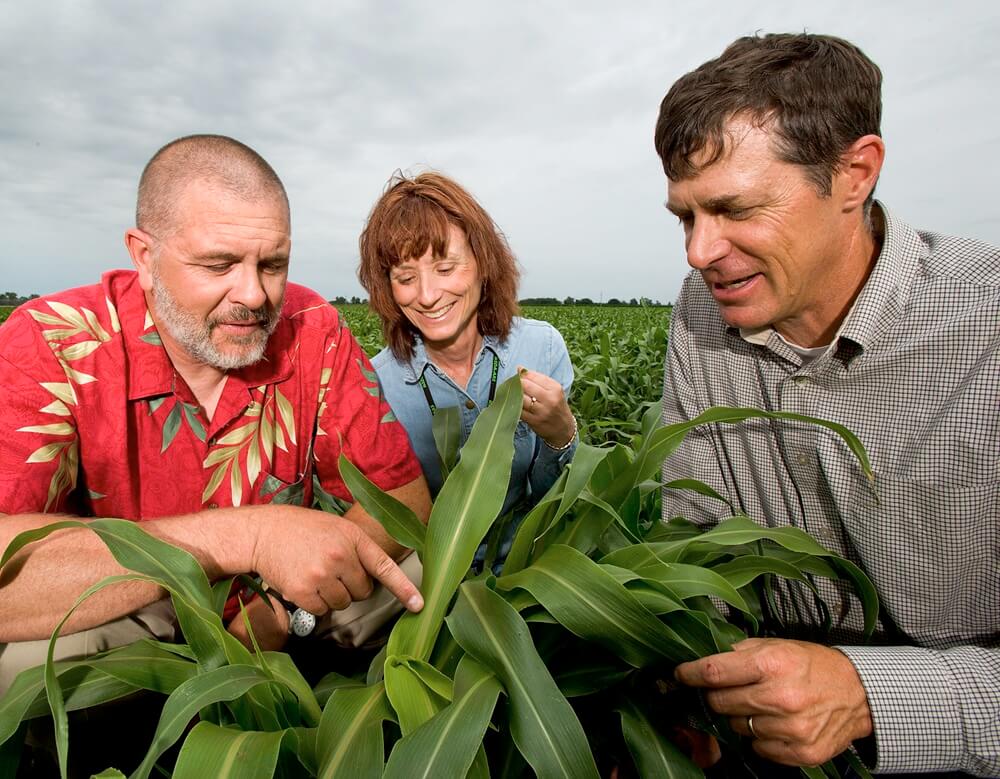
- Image credit: Stephen Ausmus, USDA Agricultural Research Service. Original image; source page; Public domain, license information. Illustrative forage-sorghum research, not the Minas Gerais trials; no USDA endorsement is implied.

