
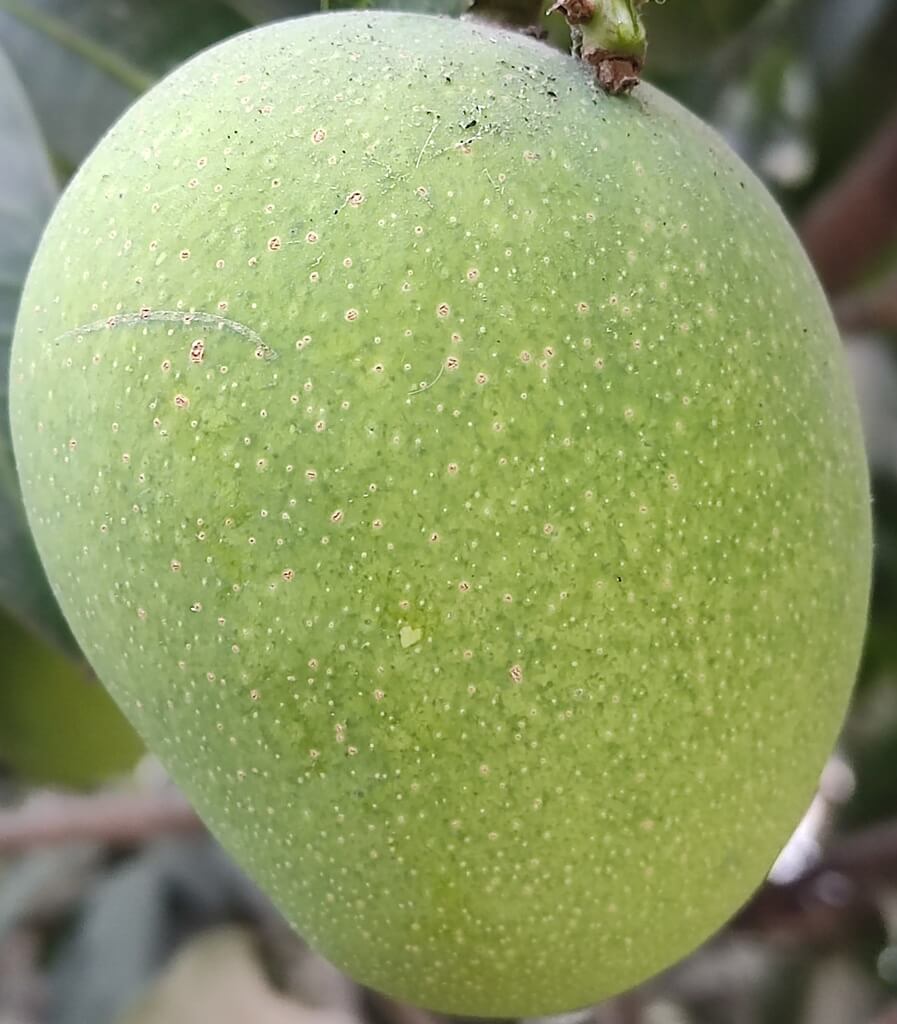
A mated female West Indian fruit fly confirmed in a trap on a residential property prompted a quarantine in Port Isabel, Cameron County, Texas. The trap was placed in a mango tree, according to NAPPO's official pest report published on October 15, 2026. The report describes a federal action by USDA's Animal and Plant Health Inspection Service (APHIS), in cooperation with the Texas Department of Agriculture (TDA).
The Port Isabel quarantine covers 19.19 square miles and includes no commercial agriculture. That combination makes the residential detection central to this account: the reported finding came from a trap in a residential tree, rather than from a commercial orchard. The notice connects that finding to safeguarding measures, movement restrictions and an eradication response.
The dates describe different parts of the response
The federal action parallels a TDA quarantine established on August 21, 2026. October 15 is the publication date of the NAPPO report. It should not be treated as the day the fly was detected. The report gives no separate detection date, and its statement that the federal action is effective immediately does not supply an independently dated chronology of every response step.
Keeping those dates distinct helps readers understand what the notice adds. It reports the federal quarantine and describes its relationship to the earlier state action. The August state quarantine and the October report belong to the same Port Isabel response. They do not establish two separate incursions.
What the trap finding establishes
The reported insect is Anastrepha obliqua, commonly called West Indian fruit fly. The EPPO Global Database identifies the species under code ANSTOB and places it in the family Tephritidae. Using that scientific name matters when comparing this notice with reports involving other fruit flies: a shared common description does not make different species interchangeable.
Here, APHIS specifically reported a mated female in a trap placed in a mango tree. The account documents the surveillance finding that preceded the quarantine. It does not identify a particular attractant, lure formulation or supplier. The capture therefore provides a monitoring context without establishing which chemical or trapping method should be selected for another programme.
Movement restrictions accompany eradication work
APHIS is applying safeguarding measures and restrictions on interstate movement of regulated articles. The stated purposes include preventing spread to non-infested parts of the United States and preventing entry of the flies into foreign trade. APHIS and TDA are also working to eradicate the transient population under programme guidelines covering survey, treatment and regulatory actions.
The official status wording is important. NAPPO describes the pest in the United States as a "transient pest under eradication that is present: not widely distributed and is under official control." This wording records both the presence of the pest and the limited distribution and official response described by the report. It does not support a claim of widespread establishment or completed eradication.
The notice points readers to APHIS for current quarantine maps and descriptions. For anyone handling regulated material, the applicable official boundaries and movement requirements remain the practical references. The 19.19-square-mile figure describes the reported area but cannot identify individual properties on its own.
ECOPHERO support for species-specific surveillance questions
For teams reviewing monitoring options for Anastrepha obliqua, ECOPHERO can support semiochemical literature review and monitoring-program design and field-validation coordination. A useful enquiry can identify the target species, describe the surveillance question and set out which proposed approach would need evaluation under the intended field conditions.
No species-specific ECOPHERO catalog product is offered in this article. The available support concerns reviewing evidence and defining a monitoring programme; it does not establish a registered lure or a field-proven solution for the Port Isabel response. Any proposed method needs evidence relevant to this species and the conditions in which it would operate.
The Port Isabel report illustrates how a specific residential trap finding can lead to coordinated regulatory and eradication action. Contact ECOPHERO with the pest name and monitoring question to discuss a scoped literature review or monitoring-design enquiry.
