Finding the first aphid hotspots is the practical starting point of a greenhouse pepper report published by HortiDaily on October 2, 2026. The Koppert-sourced article discusses Aphis gossypii in Almería, Spain, and emphasizes scouting, early detection, and marking affected areas. Its message gives growers and crop advisers a focused subject for discussion: how observations of the pest can guide attention within the crop.
The publication date places that discussion in context. October 2 is the date of the report, rather than an announcement of a new pest detection. Readers should therefore approach it as a dated account of an aphid-management topic in Almería greenhouse peppers. The central point retained here is the report’s emphasis on recognizing and locating early hotspots.
Why the pest name matters
The EPPO Global Database overview identifies Aphis gossypii by the English common names cotton aphid and melon aphid. Using the scientific name alongside the common name keeps the discussion anchored to the same species across the greenhouse report, the pest reference, and a product inquiry. That matters when a crop-protection conversation moves from a general concern about aphids to a specific material listed for a named pest.
For this report, the crop and location are equally specific: greenhouse peppers in Almería. Those details define the setting of the scouting discussion. EPPO provides the pest identity reference; HortiDaily provides the dated crop context. Together, they give readers a clear way to distinguish the species being discussed from the particular production setting described in the report.
The pheromone connection: identifying the material
ECOPHERO’s catalog lists (E)-β-Farnesene, abbreviated EBF, under CAS 18794-84-8. The catalog identifies it as an alarm pheromone and includes Aphis gossypii in its target-pest field, alongside Myzus persicae. This is an exact species-name match for the cotton aphid discussed in the Almería report.
The product name and CAS number identify the material for a technical conversation. The catalog listing establishes that identity and species connection; it does not establish a deployment method for Almería pepper greenhouses. A discussion of EBF should keep the material’s identity separate from questions about how a particular formulation would behave in a particular crop setting.
ECOPHERO’s catalog match in the crop context
For an inquiry concerning Aphis gossypii, the relevant ECOPHERO catalog entry is therefore (E)-β-Farnesene, CAS 18794-84-8. Readers can use those identifiers to state precisely which material they are asking about. The Almería scouting report supplies the monitoring context, while the catalog supplies the product identity.
That distinction keeps the inquiry useful. A grower’s concern may begin with finding early aphid hotspots, whereas a material inquiry begins with a named compound. Bringing the two into the same conversation calls for a clear question about the intended monitoring challenge. The report’s scouting message alone cannot answer questions about product performance, local use authorization, or deployment parameters.
Keep scouting at the center of decisions
The October 2 HortiDaily report emphasizes three connected activities: scouting the crop, detecting the first hotspots, and marking their locations. For readers considering the report, these activities offer a concrete focus for discussion with the crop team. Where has the pest been observed? Which locations have been marked? What question needs to be answered next?
These are questions about observations and decision timing, rather than a ready-made pheromone deployment plan. Keeping them explicit helps frame a product conversation around the actual crop concern. It also preserves the report’s most directly supported message: attention to early hotspots is central to the scouting approach it describes.
Start with the pest and the monitoring question
Contact ECOPHERO with the pest name Aphis gossypii, the material identifier (E)-β-Farnesene / CAS 18794-84-8, or the monitoring challenge you want to discuss. Include the Almería greenhouse pepper context when it is relevant. A precise starting question connects the catalog entry to the scouting topic without assuming a field outcome.
Sources and image credit
- HortiDaily — October 2, 2026, Koppert-sourced report on aphids in pepper crops.
- EPPO Global Database — Aphis gossypii overview.
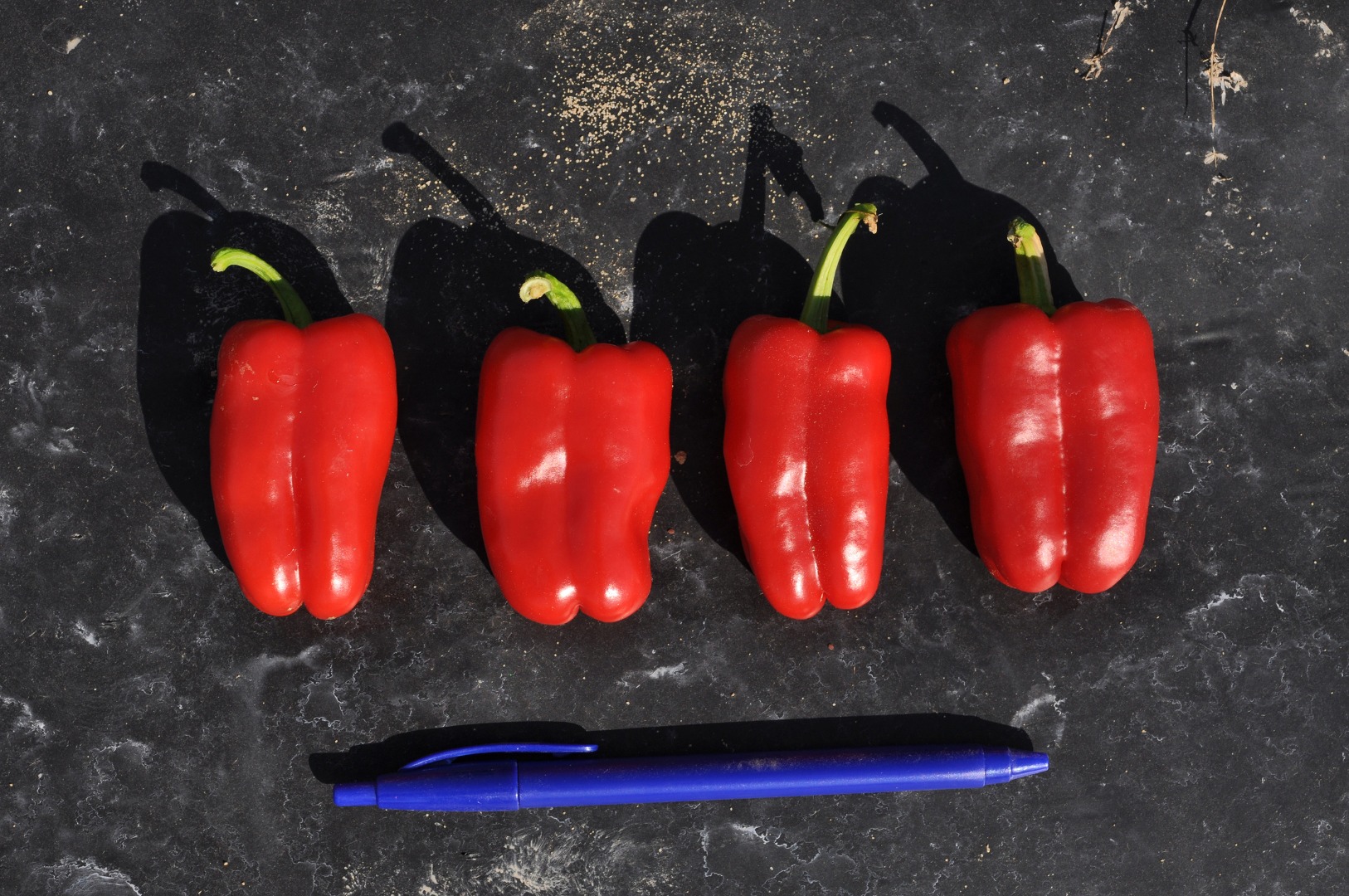
- Cover: USDA Agricultural Research Service photograph, source page. Credit: USDA Agricultural Research Service. Public domain license evidence. Illustrative crop context, not pest-damaged Almería peppers.