
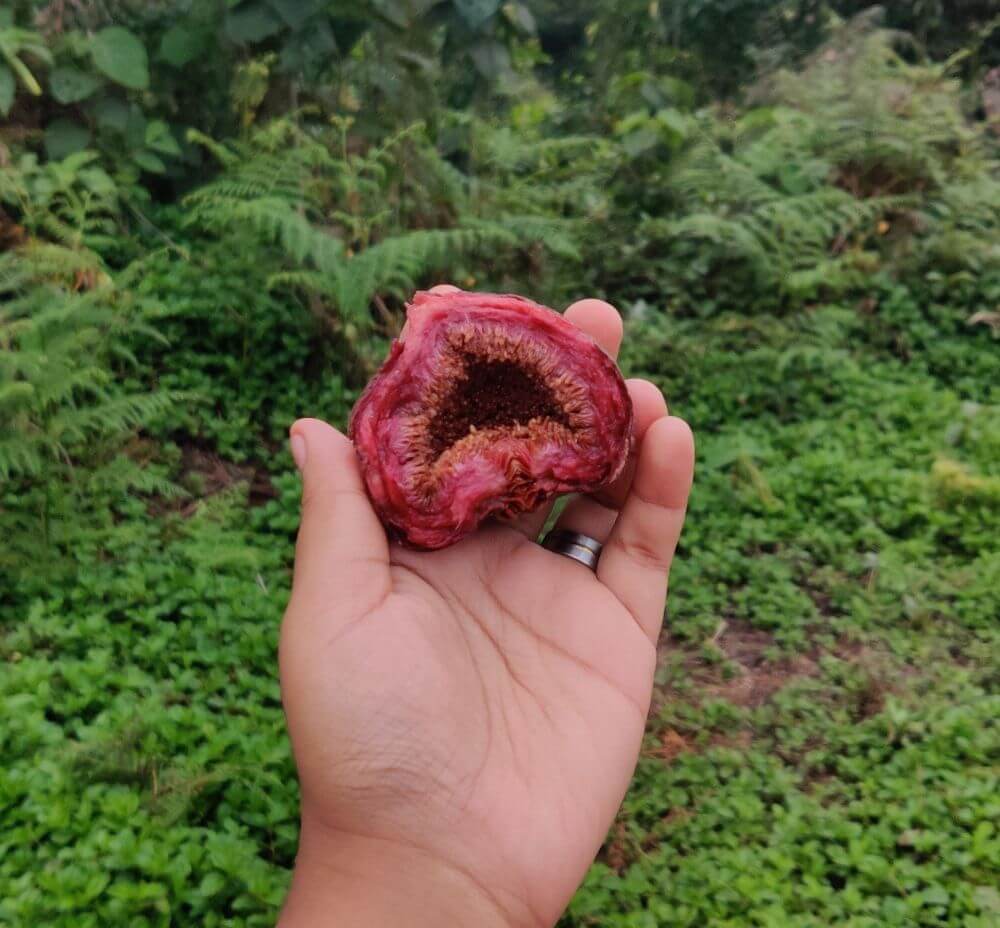
On November 10, 2026, the US Department of Agriculture's Animal and Plant Health Inspection Service (APHIS) announced a public consultation on its updated draft pest risk assessment for fresh figs from Mexico. Comments are due December 11, 2026. Mexico already has access to the US market for fresh figs under existing safeguards. The notice opens a review of the assessment; it does not announce a new import requirement or report a pest detection.
The assessment covers commercially produced common figs (Ficus carica) imported for consumption into the continental United States. One insect assessed is the Mediterranean fruit fly (Ceratitis capitata), also known as medfly. For growers, importers and plant-health teams, the useful distinction is between the draft's assessment of a commodity pathway and the separate decisions that determine how that pathway is managed.
What the draft evaluates
APHIS prepared the update to examine whether the known pests associated with Mexican figs had changed since market access was first granted and whether the existing safeguards still warranted review. The agency drew on scientific literature, port-of-entry interception records and information from Mexico's government. It used those sources first to identify pests of quarantine significance and then to assess which ones could plausibly follow the fresh fruit pathway.
The executive summary lists six insects for consideration in pest risk management. It rates the likelihood of introduction for medfly as high, for Anastrepha fraterculus as medium, and for three Neosilba species and the black fig fly (Silba adipata) as low. APHIS also notes that it is reevaluating the quarantine status of black fig fly. The two common names can be easy to confuse, but black fig fly and Mediterranean fruit fly are different species and have separate entries in the draft.
The ratings are qualitative. They describe the agency's assessment of introduction through the specified commodity pathway; they are not counts of interceptions or estimates of the fraction of shipments carrying insects. In particular, a high rating for medfly does not mean APHIS found medfly in a particular shipment or identified a new outbreak in Mexico or the United States.
Risk assessment and import requirements are separate
The draft describes potential pest risks without evaluating the effect of specific growing, harvesting, post-harvest or shipping practices, apart from basic removal of damaged fruit. Its findings therefore should not be read as an estimate of the risk remaining after all existing safeguards are applied. Nor does the document select new measures. APHIS says it will consider feedback before determining whether pest mitigations should be identified or updated.
That distinction matters to anyone making a purchasing or shipping decision. The draft is the place to look for the agency's pest list and reasoning; it is not a substitute for the requirements that apply to an actual shipment. The consultation gives stakeholders a chance to submit relevant evidence before the agency moves on to risk management.
Where medfly monitoring fits
The EPPO Global Database identifies Ceratitis capitata as the Mediterranean fruit fly and describes it as a species whose larvae can develop in a broad range of fruits. That broader host range helps explain why medfly matters to plant-health programs beyond figs. The APHIS assessment, by contrast, addresses one defined route: fresh common figs shipped from Mexico to the continental United States for consumption.
ECOPHERO lists Trimedlure (4-/5-chloro isomer mixture), CAS 12002-53-8, for Ceratitis capitata in semiochemical research and lure development. The link is specific to medfly; it does not extend to black fig fly or the other species named in the draft. APHIS does not prescribe this product, and the catalog listing does not establish a trapping protocol or an approved treatment for fresh fig shipments. Any use in a monitoring program needs to be evaluated for its own purpose and conditions.
The immediate next date is December 11, when the comment period closes. Until APHIS issues a separate decision, the draft is best read as the agency's current analysis of the pathway, not as a change to the conditions under which fresh figs may enter the country.
