
Australia's honey bee biosecurity planning is being reviewed against a changed pest landscape. In an update dated 12 November 2026, Plant Health Australia (PHA) reports that Varroa destructor is established in eastern and southern Australia. Alongside that established pest, PHA identifies exotic threats including Tropilaelaps mites as part of the preparedness challenge.
The update brings together two strands of work: reviewing the honey bee industry's Biosecurity Plan and continuing a five-year surveillance program. It describes coordinated preparedness activities rather than announcing a new Australian incursion. That distinction matters when interpreting both the date of the announcement and the purpose of the surveillance described by PHA.
Why the Varroa context matters
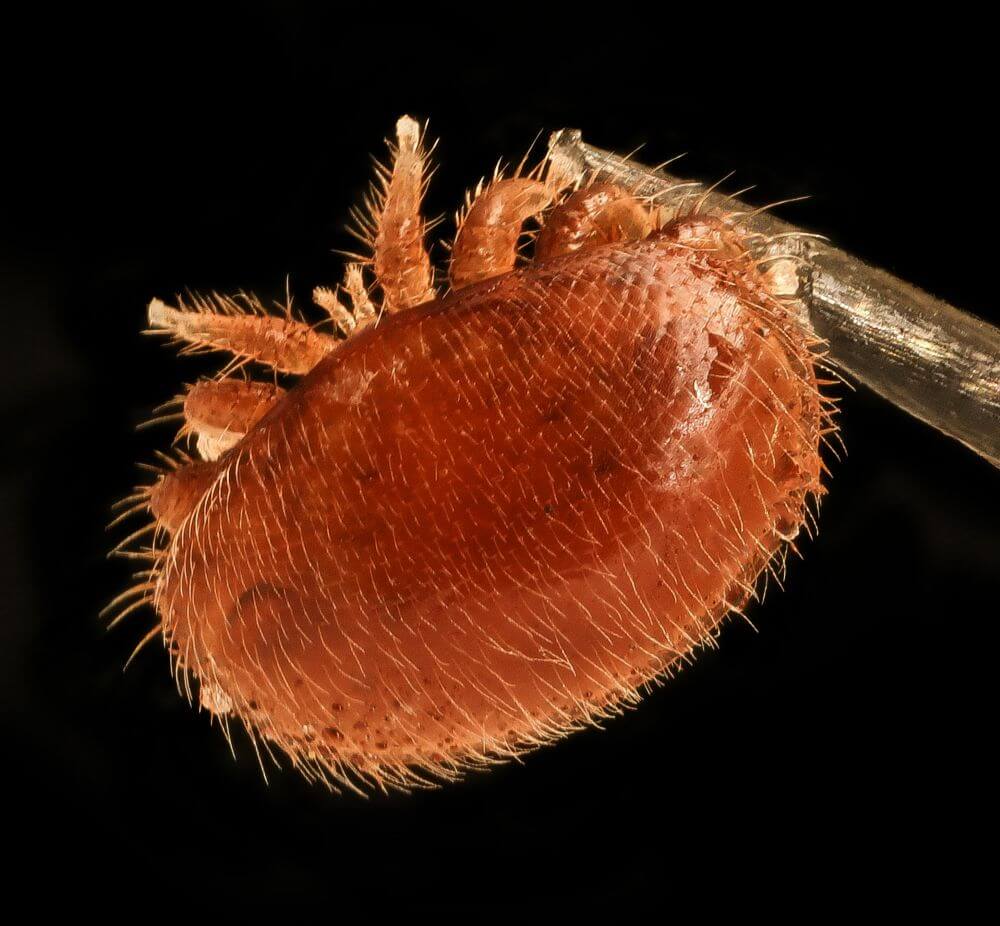
The U.S. Geological Survey's Varroa destructor specimen profile describes the mite as a parasite of honey bees from adult to larval stages. This provides a biological context for the pest named in PHA's update. The USGS photograph accompanying this article shows a specimen on a pin; it is illustrative and does not document an Australian detection.
PHA's account places Varroa establishment in eastern and southern Australia alongside continued preparedness for exotic threats. These are related planning concerns, but they describe different pest situations. An established pest provides part of the context for reviewing preparedness documents, while the surveillance program has a broader remit covering exotic and regionally significant pests.
A Biosecurity Plan review and five contingency plans
PHA reports that the honey bee Biosecurity Plan is being reviewed and that five contingency plans will be developed. The combination gives the update both a planning component and a response-preparedness component. Reviewing the broader plan and preparing contingency documents are distinct activities within that work.
The five contingency plans are intended to support rapid decision-making and response activities for key pest threats. Their development is prospective: the update describes work to be done, rather than announcing that all five plans have already been completed. Likewise, a plan review should be read as a preparedness activity, without treating the announcement itself as evidence of a new pest detection.
What the surveillance figures describe
The five-year surveillance program began in December 2025. According to PHA, it targets the eight highest-risk ports of entry and is designed to detect 12 exotic High Priority Pests and five regionally significant pests. Those figures describe the program's scope, rather than the scale of a Varroa outbreak.
The eight-port coverage therefore belongs to the wider surveillance program. It should not be read as a statement that all eight ports have Varroa detections, or that every technique used across the program targets Varroa. The dated update connects preparedness planning with surveillance while keeping the program's multiple pest targets in view.
For readers following Australian honey bee biosecurity, the timeline is equally useful. December 2025 marks the surveillance program's commencement; 12 November 2026 is the publication date of PHA's update. Neither date is presented here as a new Varroa detection date. Keeping these milestones separate makes the announcement easier to interpret.
Where semiochemical review can contribute
For a bee-pest monitoring inquiry, ECOPHERO can support semiochemical literature review and monitoring-program design and field-validation coordination. These services provide a starting point for discussing a monitoring question and the research needed to assess it. They do not establish that a particular semiochemical approach will work against Varroa.
ECOPHERO has no catalog-listed Varroa or Tropilaelaps product identified for this inquiry. A literature review is therefore a research step, and field-validation coordination is support for evaluating a monitoring approach. Neither should be interpreted as an available, field-proven mite lure or a registered mite-control use.
The practical conversation begins with the pest and the monitoring challenge. For this update, the relevant distinction is between established Varroa and the broader exotic-pest preparedness program. Contact ECOPHERO with the pest name and your monitoring challenge to discuss semiochemical literature review or monitoring-program design and field-validation coordination.
Sources and image credit
- Plant Health Australia: Nationally coordinated action for honey bee biosecurity, published 12 November 2026.
- U.S. Geological Survey: Varroa destructor, 1, published 17 December 2019; biological background and specimen photograph.
