Insekten

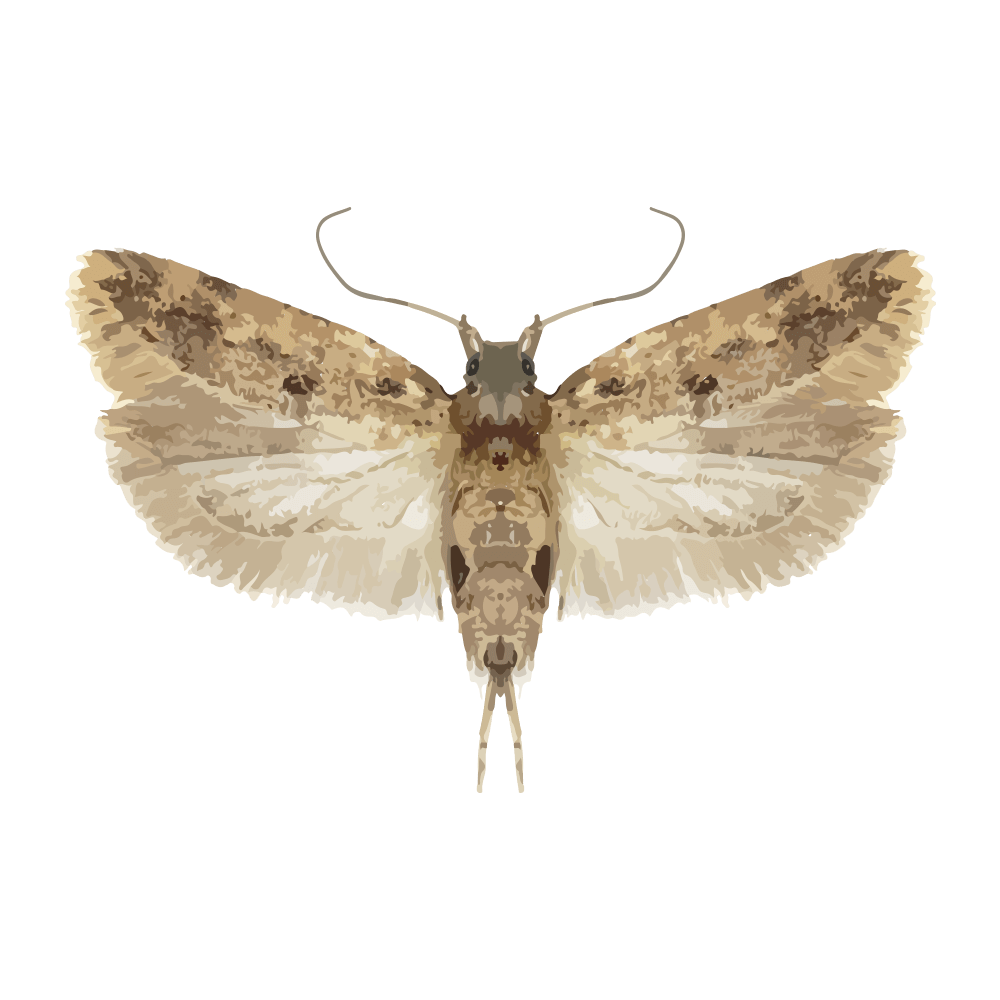
Pectinophora gossypiella

Pink bollworm (Pectinophora gossypiella)
Lateinischer Name Pectinophora gossypiella
Trivialname Pink bollworm
Biologie Adults are nocturnal, exhibiting strong phototaxis toward black light lamps, and lay eggs on cotton buds, squares, or young leaves. Larvae bore into cotton buds, flowers, bolls, and seeds, causing bud and boll shedding, deformed bolls, and seed damage, severely impacting cotton yield and quality. Completing 2–7 generations annually, this pest overwinters as mature larvae in cotton warehouses, cottonseed shells, or similar shelters.
Schaden This pest primarily damages cotton, it also threatens eggplants, peppers, and other Solanaceae plants.
Verbreitungsgebiete Global cotton-growing regions
Monitoring Pheromone lures mimic natural sex pheromones to attract male insects into specialized traps for population monitoring and suppression. As a core IPM component, monitoring enables early risk detection and targeted control. Mass trapping reduces mating opportunities to curb offspring populations. Protocols: ●Use only with matched traps. ●15-45 traps/hectare,replace/replenish every 4-6 weeks. ●Wear gloves or wash hands with detergent when switching lure types. ●Refer to trap-specific hanging instructions.
Empfohlene Fallen Delta Trap, Wing Trap

Literaturprüfung

Semiochemische Nachweise

Die zitierten Publikationen belegen die genaue Verbindung zwischen Stoff und Art. Formulierung, Verhältnis, Beladung, Freisetzungsrate und Freilandwirkdauer hängen von einem validierten Lockstoffprotokoll ab und werden hier nicht abgeleitet.

Kontakt aufnehmen

Hinterlassen Sie Ihre Kontaktdaten, um Produktauswahl oder kundenspezifische Synthese zu besprechen. Entspricht kein Katalogprodukt der vereinbarten Spezifikation, kann unser Chemieteam eine kundenspezifische Route und einen Scale-up-Plan bewerten.