
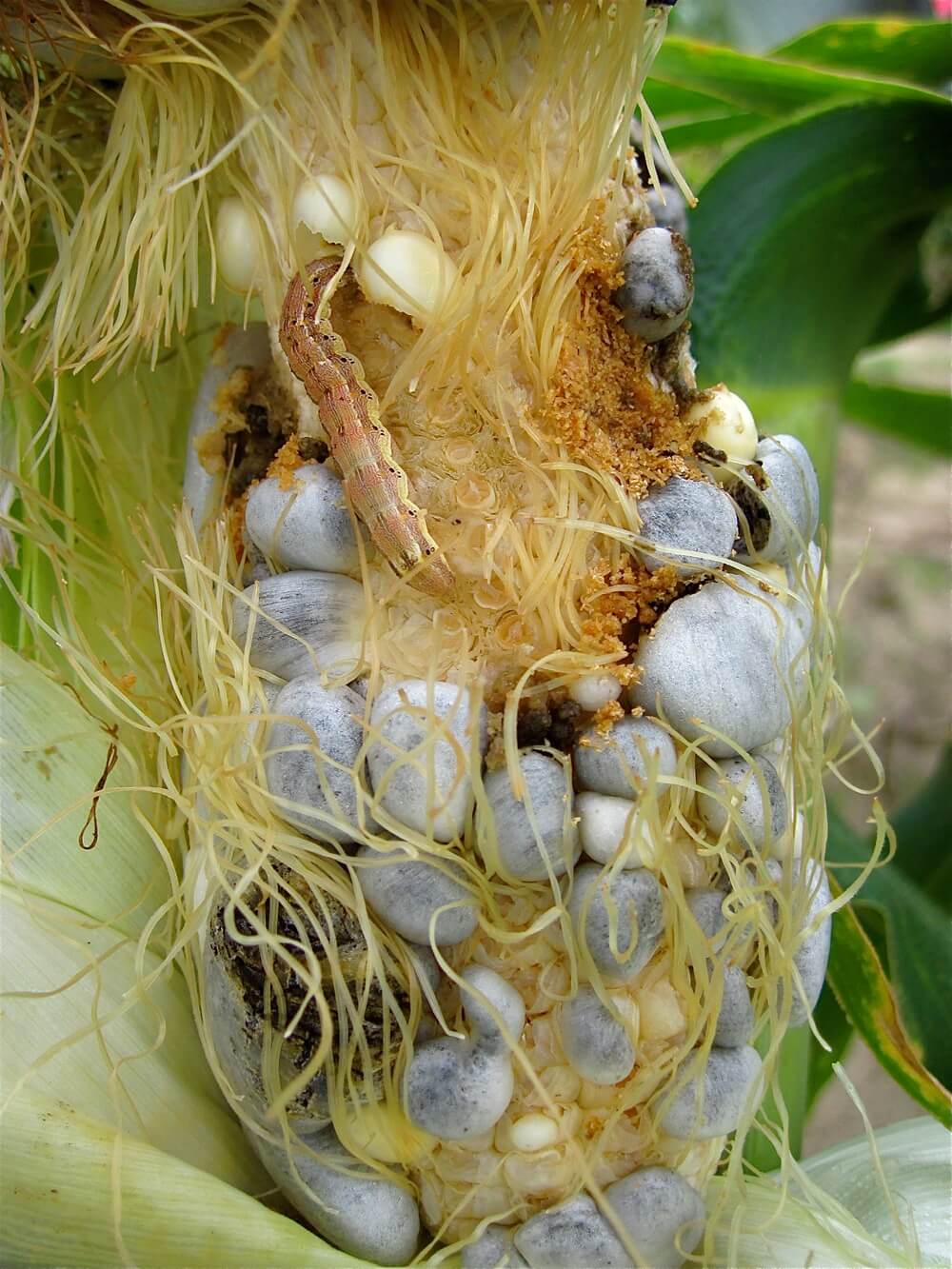
Summer flight activity makes cotton bollworm monitoring especially relevant in 2026-07. According to the EPPO Global Database, adult Helicoverpa armigera emerge from May to June, depending on latitude, and can be seen up to October when weather conditions remain suitable.
This is a global seasonal issue rather than a single-location detection. EPPO records H. armigera as present in over 100 countries. Its broad distribution, extensive host range and prolonged period of possible adult activity make locally interpreted monitoring an important part of seasonal pest management.
The flight period depends on latitude
EPPO's Biology section states that H. armigera adult emergence occurs from May to June, depending on latitude, and that adults may be seen up to October under suitable weather conditions. This describes an extended period in which adult activity may become observable, not a universal calendar that will be identical in every country or crop.
The latitude qualification is essential. A monitoring programme should use the EPPO timing as a broad seasonal framework while relying on local crop conditions, weather and established monitoring protocols to determine when traps should be deployed and how results should be interpreted.
For July, the practical message is that the summer flight period is underway. Monitoring can help establish whether adult activity is currently visible at a particular site and whether detections continue as the season develops. An early observation should not automatically be treated as representative of the whole May-to-October period, which varies depending on latitude and suitable weather.
More than a cotton pest
EPPO describes H. armigera as one of the most polyphagous species in the Heliothinae. The EPPO host-plants tab records crops including cotton, maize, tomato, chickpea and soybean among its host range.
That host diversity means the pest's activity cannot be understood through cotton alone. A crop under observation may be only one part of a wider host landscape. Adult activity may therefore remain relevant as different host crops develop during the season.
What pheromone monitoring contributes
Pheromone monitoring is an observation method. It is used to detect and follow adult activity as the flight season develops. It does not by itself establish crop damage, prove the absence of larvae or replace field assessment.
For H. armigera, monitoring initiated in relation to the locally relevant emergence period can help show when adults first become visible and whether activity continues later in the season. Consistent observations can provide a clearer seasonal record than isolated trap checks.
Because EPPO's timing is qualified by latitude and weather, trap placement, trap density, lure replacement and interpretation thresholds should follow the applicable local protocol. No universal deployment specification or blend ratio should be inferred from the seasonal timing alone.
The ECOPHERO monitoring option
The verified monitoring product is:
- Product: (Z)-11-Hexadecenal + (Z)-9-Hexadecenal
- CAS: 53939-28-9 and 56219-04-6
- Mode: Monitoring
- Application: Monitoring traps for Helicoverpa armigera/zea
The application covers both H. armigera and H. zea. The emergence timing, distribution and host-range claims cited here remain claims about H. armigera.
Target confirmation is therefore important when selecting the monitoring product and interpreting results. The appropriate blend ratio, deployment method and monitoring schedule should be determined through the relevant local protocol and target-crop requirements.
Why monitoring matters now
For H. armigera, adults emerge from May to June, depending on latitude, and may remain visible up to October where weather conditions are suitable. Combined with presence in over 100 countries, a broad EPPO-listed host range, high generation potential in tropical conditions and documented resistance, this extended seasonal activity supports structured observation.
Pheromone monitoring offers a way to follow adult activity without turning a broad global calendar into an unsupported local prediction. Where local target confirmation and the applicable monitoring protocol support its use, contact ECOPHERO with Cotton bollworm / Corn earworm, Helicoverpa armigera / Helicoverpa zea, or CAS 53939-28-9 and 56219-04-6 to discuss the verified monitoring option.


_(8424941180).jpg)