
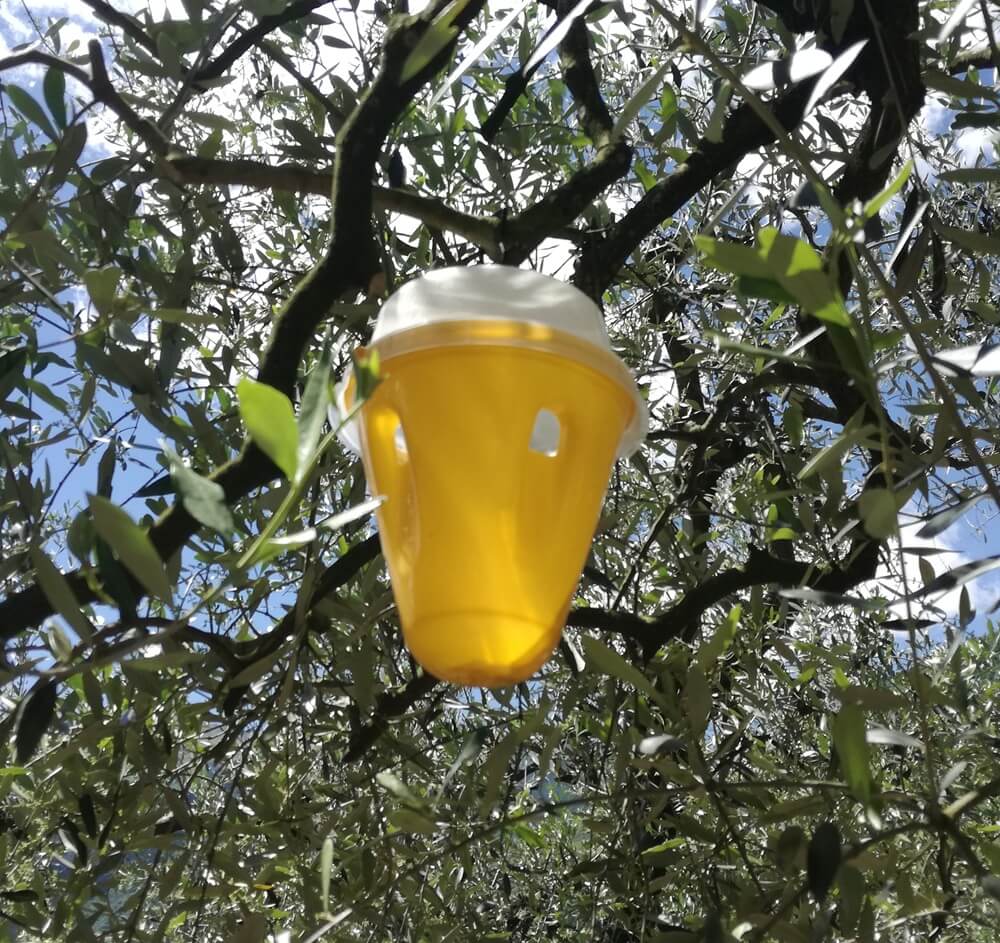
Olive fruit fly, Bactrocera oleae, features among the exotic threats discussed in Plant Health Australia's account of the olive industry's new Biosecurity Plan. The article describes Australia as free from this pest. Its focus is preparation for possible incursions, with no Australian olive fruit fly detection reported.
Plant Health Australia (PHA) dated its repost 30 September 2026 and identified the original publication as the September 2026 issue of the Australian Olive Association's R&D Insights. These are publication dates; they do not establish a specific day on which the plan was adopted. PHA developed version 3.0 with the Australian Olive Association (AOA) and government partners.
What the plan brings together
The assessment covered 170 exotic pests and pathogens with potential to affect Australian olive production. It identified six high-priority pests and six exotic pests to monitor. PHA's article does not name the members of those two groups. Although olive fruit fly appears as an example of an exotic threat, that mention alone does not establish membership in either group.
Alongside the assessment, the plan inventories preparedness resources, including diagnostic protocols, surveillance programmes, factsheets and contingency plans. Bringing these resources into a common planning framework gives the industry a way to consider preparedness alongside the threats it has assessed. The resource inventory is part of the plan's broader scope; it should not be read as an announcement of a particular olive fruit fly trapping programme.
The accompanying Action Plan covers 2026–2031. PHA also reports annual reviews of the Biosecurity Plan through project completion in 2029. Those timelines describe different elements of the work: the action horizon and the stated review period. Endorsement has come from the industry through AOA and from government through the Plant Health Committee.
Why monitoring methods need context
Olive fruit fly monitoring provides a useful technical background to the preparedness discussion. The University of California's Integrated Pest Management guidance describes yellow sticky traps baited with a sex pheromone, spiroketal, an ammonium bicarbonate attractant, or both. This guidance concerns California and provides background on monitoring methods; it does not announce deployment under Australia's olive Biosecurity Plan.
The guidance makes a distinction between the attractants. The sex pheromone attracts males, while ammonium bicarbonate attracts both males and females. It also cautions that adding pheromone may not increase trap catches. The presence of a pheromone component therefore cannot, by itself, be taken as evidence that a trap combination will catch more flies.
UC IPM further cautions against relying on traps alone as treatment and explains that trap catches do not directly indicate fruit damage. These qualifications matter when interpreting what monitoring can tell a grower or programme manager. A catch record and a measure of damaged fruit answer different questions. The California guidance does not establish Australian treatment schedules, thresholds or use authorisations.
ECOPHERO's catalog connection
ECOPHERO lists 1,7-Dioxaspiro[5.5]undecane, CAS 180-84-7, with Bactrocera oleae as its target pest. That exact species match provides a catalog connection to olive fruit fly and the monitoring topic. It identifies a chemical product associated with this pest in the catalog, without establishing a finished trap specification or a field deployment under the Australian plan.
The catalog listing and the UC IPM monitoring guidance serve different purposes. The listing establishes product identity and target-pest association; the guidance supplies context on pheromone use and its limitations. Neither establishes adoption of an ECOPHERO product by PHA, AOA or government partners, Australian registration, a batch specification, or field efficacy for an ECOPHERO formulation.
For organisations examining this monitoring topic, keeping those distinctions clear allows the preparedness plan, the technical background and the product identity to be considered on their own terms. Contact ECOPHERO with the pest name, CAS 180-84-7 or your monitoring challenge to discuss your inquiry.
Sources
- Plant Health Australia: New Biosecurity Plan for the Olive industry — repost dated 30 September 2026; original publication identified as September 2026.
- UC IPM: Olive Fruit Fly — California monitoring background.
