Insectes

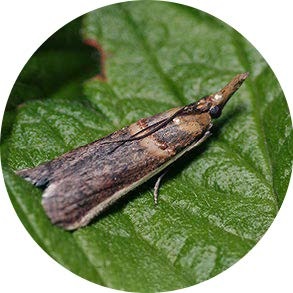
Etiella zinckenella

Pod borer moth (Etiella zinckenella)
Nom latin Etiella zinckenella
Nom commun Pod borer moth
Biologie Adults are nocturnal, exhibiting phototaxis, and lay eggs on flower buds, petals, or young pods of Fabaceae plants. Larvae bore into pods and seeds, causing pod collapse and seed consumption, significantly reducing legume yields. This species completes 4–5 generations annually, overwintering as mature larvae spin cocoons in soil.
Dégâts Primary hosts include cowpea, common bean, hyacinth bean, and soybean.
Régions de distribution Tropical and Subtropical regions
Surveillance Pheromone lures mimic natural sex pheromones to attract male insects into specialized traps for population monitoring and suppression. As a core IPM component, monitoring enables early risk detection and targeted control. Mass trapping reduces mating opportunities to curb offspring populations. Protocols: ●Use only with matched traps. ●15-45 traps/hectare,replace/replenish every 4-6 weeks. ●Wear gloves or wash hands with detergent when switching lure types. ●Refer to trap-specific hanging instructions.
Pièges recommandés Delta Trap, Wing Trap

Revue de la littérature

Données sémiochimiques

Les publications citées étayent la relation exacte entre le composé et l'espèce. La formulation, le ratio, la charge, le taux de libération et la durée d'action au champ dépendent d'un protocole de leurre validé et ne sont pas déduits ici.

Contactez-nous

Communiquez vos coordonnées pour discuter du choix d'un produit ou d'un projet de synthèse sur mesure. Si aucun produit catalogue ne correspond à la spécification convenue, notre équipe peut évaluer une voie et un plan de changement d'échelle dédiés.