
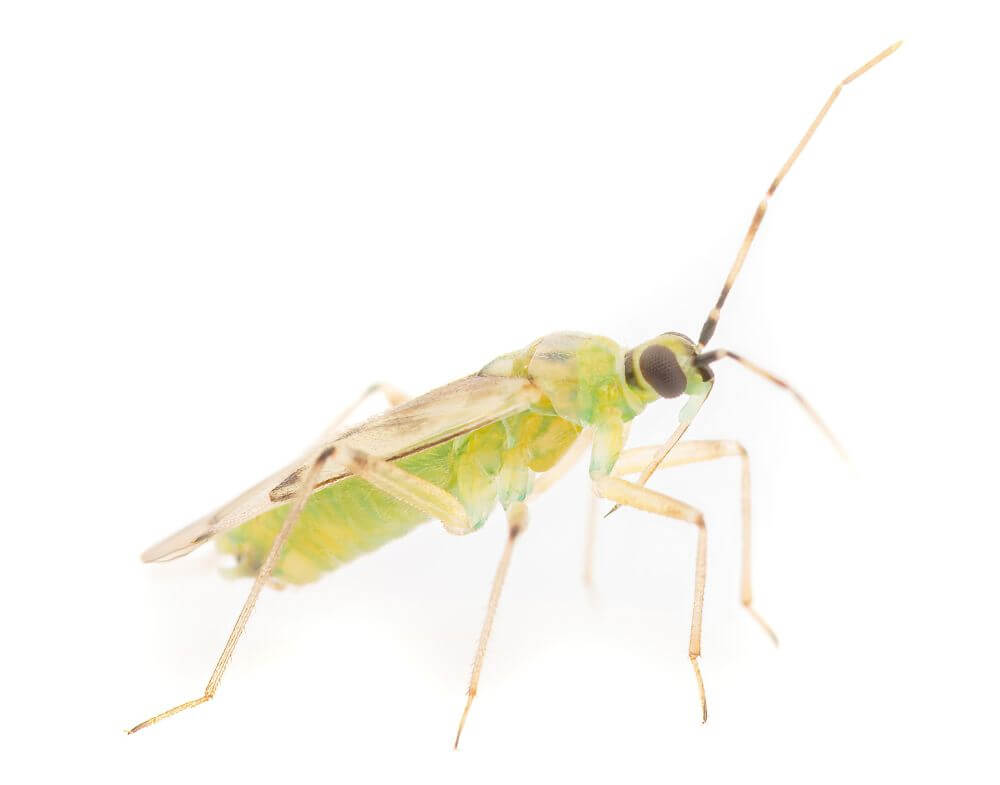
Sivas Cumhuriyet University in Türkiye has begun rearing the predatory insect Nesidiocoris tenuis in the laboratory for a project targeting tomato leafminer and whiteflies. Demirören Haber Ajansı reported the project on November 20, 2026. HortiDaily reported on November 23 that the first planned use of the predator would be in tomato greenhouses in Sivas. The greenhouse use described in that coverage was a planned step following laboratory rearing.
The greenhouse setting is specific to HortiDaily’s account of where the university planned to start. DHA’s local report identifies the two targets as domates güvesi, the Turkish name used for tomato leafminer, and whiteflies. It describes whiteflies as a group. For tomato growers reading the two reports together, laboratory production was already underway when the project was reported, and the greenhouse work was described in terms of intended use. The November 20 date marks the local report on the project.
Why the pest name matters
The Hatay directorate of Türkiye’s Ministry of Agriculture and Forestry identifies domates güvesi as Tuta absoluta. That identification connects the pest name in DHA’s report with the scientific name used in Turkish agricultural guidance. The EPPO Global Database uses Phthorimaea absoluta as its preferred name and lists Tuta absoluta as an alternative scientific name for the same species.
That difference matters when looking up guidance or checking a product listing. A search under Phthorimaea absoluta leads to the relevant EPPO datasheet, while Tuta absoluta is the name that appears in the Hatay directorate’s guidance and in ECOPHERO’s catalog. A greenhouse manager working from the Turkish report can use either scientific name to identify the tomato leafminer in those references. The scientific names in the datasheet apply specifically to the leafminer, one of the two targets named in the Sivas coverage.
How pheromone monitoring fits into the picture
In separate guidance on tomato leafminer, the Hatay directorate recommends using pheromone traps and checking them regularly for early warning. The recommendation gives greenhouse teams two parts of the same monitoring task. The trap is the tool, and the repeated checks are how staff obtain a warning they can act on. A regular check also gives the team a recurring point at which to review what the trap is showing.
In an integrated pest management program, that monitoring task has a different purpose from the predator work described in Sivas. The university project concerns the rearing and planned use of a beneficial insect against pests. The ministry guidance concerns watching for tomato leafminer with pheromone traps. For a grower following the Sivas story, the project coverage describes a local biological control initiative. The directorate’s guidance supplies a specific practice for leafminer early warning that greenhouse teams can discuss separately. Its trap recommendation is directed at the leafminer identified in the guidance as Tuta absoluta.
The ECOPHERO catalog entry for tomato leafminer
ECOPHERO lists (E,Z,Z)-3,8,11-Tetradecatrienyl acetate, CAS 163041-94-9, with Tuta absoluta as the target species. The catalog entry is EP00039. Using the product code and CAS number together identifies the specific ingredient in a technical inquiry, especially when a greenhouse team is working across references that use different scientific names for the leafminer.
For teams comparing references, each answers a different practical question. HortiDaily and DHA explain the scope and timing of the university project. The ministry guidance explains the role of regular pheromone trap checks in early warning. The ECOPHERO catalog identifies the pheromone ingredient by name and CAS number, and EPPO’s datasheet connects the two scientific names. Together, those references give a greenhouse team the terms it needs to frame a tomato leafminer monitoring inquiry.
If you’re evaluating pheromone monitoring for tomato leafminer, contact ECOPHERO with the pest name, CAS 163041-94-9, or the greenhouse monitoring question you’re working on.
