
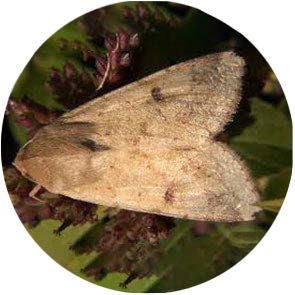
| 학명 | Helicoverpa zea |
| 일반명 | Corn earworm |
| 생태 | Adults are nocturnal and sensitive to black light traps and sex pheromones, laying eggs on plant leaves, flower buds, or fruits. Larvae are polyphagous, damaging leaves, flowers, fruits, etc.; infested fruits develop holes and are prone to rotting. This pest resembles Spodoptera frugiperda (fall armyworm) and exhibits strong migratory capacity, occurring more frequently in tropical and subtropical regions. |
| 피해 | This pest damages multiple crops such as cotton, corn, tomatoes, peppers, and soybeans. |
| 분포 지역 | America |
| 모니터링 | Pheromone lures mimic natural sex pheromones to attract male insects into specialized traps for population monitoring and suppression. As a core IPM component, monitoring enables early risk detection and targeted control. Mass trapping reduces mating opportunities to curb offspring populations. Protocols: ●Use only with matched traps. ●15-45 traps/hectare,replace/replenish every 4-6 weeks. ●Wear gloves or wash hands with detergent when switching lure types. ●Refer to trap-specific hanging instructions. |
| 추천 트랩 | Delta Trap, Wing Trap |
연락처를 남겨 주시면 정밀하게 매칭된 페로몬 솔루션을 받아보실 수 있습니다. 기존 포트폴리오에 최적의 제품이 없을 경우, 당사 합성화학 팀이 분자 구조 설계부터 규모화 생산까지 맞춤 개발을 시작합니다.
